
Preparing the correct documents is one of the most important steps when dealing with a family law matter. Whether someone is seeking divorce, khula, child custody, maintenance, guardianship, or a marriage-related legal remedy, proper documentation helps the lawyer understand the situation and prepare a strong case.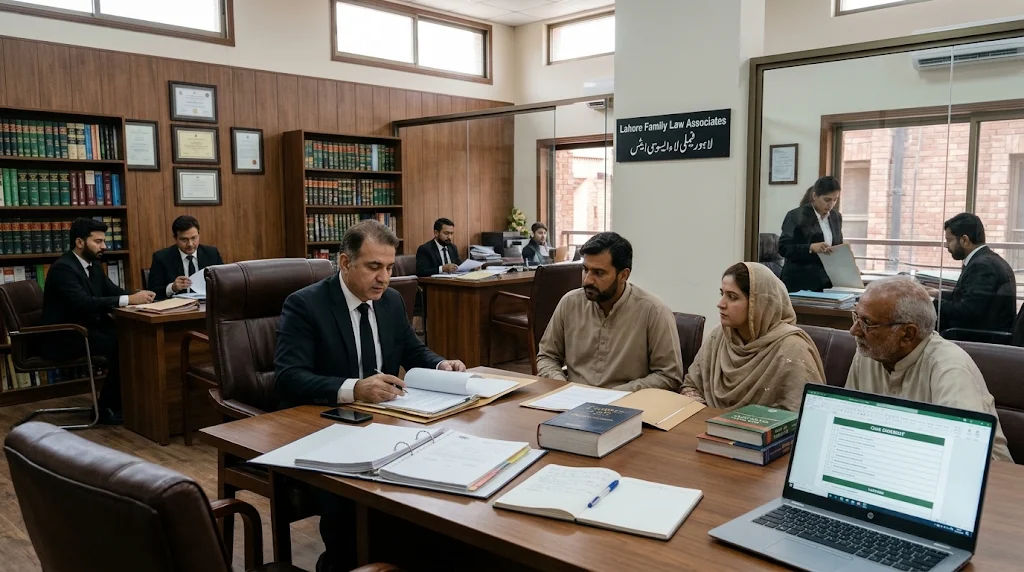
A Family Lawyer Lahore usually needs personal identification documents, marriage records, family details, financial information, and relevant evidence. However, the exact requirements depend on the type of legal matter, the facts of the case, and the court proceedings involved.
Many people feel confused about which documents they should collect before meeting a lawyer. Some have their original marriage certificate but no copies of other records. Others have messages, financial receipts, or court notices but are unsure whether these materials are useful.
Understanding the documentation process can make legal consultations easier and help prevent unnecessary delays. This guide explains the common documents required for different family law cases in Lahore, how to organise them, and what to expect when preparing for a legal consultation.
Why Are Documents Important in Family Law Cases?
Documents help establish important facts about a family dispute. They provide information about relationships, marriage, children, financial responsibilities, and previous legal proceedings.
A lawyer uses these records to understand the background of a case and identify the relevant legal requirements.
For example, someone applying for khula may need to provide marriage-related documents. A parent seeking child custody may need school records, birth certificates, and information about the child's living arrangements.
Similarly, a maintenance claim may require financial information showing household expenses and the circumstances of the people involved.
Proper documentation also helps the lawyer identify missing information before preparing an application or filing a case.
1. Basic Personal Identification Documents
Personal identification documents are usually among the first records a lawyer requests. They help confirm the identities of the people involved and provide information needed for legal paperwork.
Computerised National Identity Card (CNIC)
A copy of the CNIC is commonly required from the person seeking legal assistance. Depending on the case, the lawyer may also request the CNIC details of the other party.
These documents help establish names, identification numbers, and residential details.
If a person does not have a valid CNIC, they should explain the situation during the consultation. The lawyer can advise whether another acceptable identification document can be used.
Copies of Family Members' CNICs
Some family cases involve information about parents, children, spouses, or other relatives.
Copies of relevant family members' CNICs may help establish family relationships and identify people mentioned in legal documents.
However, a lawyer does not necessarily need identification documents from every relative. Only relevant records should be collected.
Proof of Residential Address
A lawyer may also request proof of the applicant's current address.
Useful documents can include:
-
Recent electricity, gas, or water bills.
-
Rent agreements.
-
Property ownership documents.
-
Relevant official correspondence.
-
Other acceptable proof of residence.
Residential information can be important when determining which court has jurisdiction over a particular matter.
2. Marriage-Related Documents
Marriage records are particularly important in cases involving divorce, khula, dower, maintenance, and disputes concerning marital rights.
A lawyer generally needs documents that establish whether a marriage took place and provide information about its registration and conditions.
Original Nikahnama
The Nikahnama is one of the most important documents in a Muslim marriage-related legal matter.
It contains essential information, including:
-
Names of the bride and groom.
-
Marriage date.
-
Details of witnesses.
-
Information about the Nikah registrar.
-
Dower (Haq Mehr) details.
-
Agreed marriage conditions.
-
Signatures of the relevant parties.
A lawyer may examine the Nikahnama to understand the rights and responsibilities recorded at the time of marriage.
For example, if a dispute concerns unpaid dower, the relevant Nikahnama entries can help establish what was agreed.
Family Lawyer Lahore the original document safe and provide clear copies for initial review.
Computerised Marriage Registration Certificate
The Computerised Marriage Registration Certificate is another useful record.
In Punjab, the relevant Union Council or Municipal Committee issues this certificate after the marriage is registered through the appropriate process. The Punjab Local Government department identifies the registered Nikahnama and the CNICs of the husband and wife as supporting documents for marriage registration.
Local Government and Community Development+1
A lawyer may request this certificate to verify the official registration of the marriage.
If the certificate is missing, the person should ask the relevant Union Council about obtaining a replacement or certified record.
Certified Copy of Nikahnama
Sometimes, the original Nikahnama is unavailable or has been misplaced.
In such situations, a certified copy may be useful. The Punjab Judicial Academy has discussed the evidentiary significance of certified Nikahnama copies in its legal reference material.
Punjab Judicial Academy
A lawyer can explain how to obtain an appropriate copy from the relevant registrar or authority.
3. Documents Required for Khula and Divorce Cases
Khula and divorce matters require documents that establish the marriage and explain the circumstances of the legal request.
Although every case is different, several records are commonly useful.
Marriage Certificate and Nikahnama
The marriage certificate and Nikahnama help establish the marriage details.
They may also contain information about dower, special conditions, and other matters relevant to the dispute.
If the applicant has more than one version of a marriage-related document, all available copies should be shown to the lawyer.
Previous Legal Notices
If either party has sent a legal notice, its copy should be provided.
Previous notices can help establish the history of communication and show whether any formal legal steps have already been taken.
The lawyer may also request proof of delivery or any written response received.
Divorce or Khula-Related Court Orders
If a court has already issued an order or decree, provide a copy.
These records are important because they show what has already happened in the legal proceedings.
It is also useful to bring documents showing whether the relevant administrative registration process has been completed.
Union Council Documents
Where applicable, documents issued or received from the Union Council may also be relevant.
These can include notices, acknowledgements, correspondence, or divorce-related certificates.
Punjab's local government guidance identifies the concerned local authority as the relevant office for issuing divorce registration certificates.
Local Government and Community Development
A lawyer can determine which records are required for the particular situation.
4. Documents Needed for Child Custody Cases
Child custody cases require information about the child, parents, and existing living arrangements.
The court's consideration is centred on the child's welfare. Therefore, documents should help explain the child's circumstances rather than simply support one parent's personal position.
Child's Birth Certificate
A birth certificate is an important document because it records the child's basic details.
It generally includes:
-
Child's name.
-
Date of birth.
-
Parents' names.
-
Registration information.
A lawyer may use this document to establish the child's identity and parentage.
B-Form or Child Registration Certificate
The Child Registration Certificate, commonly called the B-Form, is another useful identity record.
It can help establish the child's registered family details.
If the child has a different or updated registration record, the lawyer should be informed.
School Records
School documents may help explain the child's educational circumstances.
Examples include:
-
School admission records.
-
Attendance information.
-
Academic reports.
-
Fee receipts.
-
School correspondence.
These records can help demonstrate continuity in education and identify the child's current school arrangements.
Medical and Healthcare Records
Where relevant, medical records may help explain a child's healthcare needs.
For example, a child's regular treatment schedule or medical appointments may be important when considering practical care arrangements.
Only relevant records should be provided, and sensitive information should be handled carefully.
Information About Living Arrangements
Documents relating to accommodation may also be useful.
These could include a rent agreement, ownership papers, or other evidence of the child's proposed living arrangements.
The lawyer may also ask about the child's daily routine, educational needs, and existing support system.
5. Documents Required for Child Maintenance Cases
Maintenance cases involve financial responsibilities and the expenses associated with supporting a child or other eligible family member.
A lawyer may need financial records to understand the circumstances and prepare the relevant claim.
Monthly Expense Records
Prepare a reasonable list of regular expenses.
These may include:
-
School fees.
-
Food and household expenses.
-
Clothing.
-
Transport.
-
Educational supplies.
-
Healthcare expenses.
-
Other necessary costs.
Receipts and payment records can help support the information provided.
School Fee Receipts
School fee receipts can establish regular educational expenses.
If the child attends a private educational institution, fee statements may also help explain the amount required for schooling.
Medical Bills
Where healthcare expenses form part of a maintenance claim, relevant bills and payment records may be useful.
Keep documents arranged by date so the lawyer can understand the frequency and nature of the expenses.
Income-Related Information
Depending on the circumstances, financial information about the parties may also be relevant.
This can include salary slips, employment details, business records, or other available evidence of income.
A person should not assume that every financial document is automatically required. The lawyer can identify which records are legally relevant.
6. Documents for Dower and Dowry-Related Claims
Some family disputes concern unpaid dower, bridal gifts, dowry articles, or personal belongings.
These claims require documents that help establish what was agreed, provided, or remains outstanding.
Dower Information
The Nikahnama should be reviewed carefully because it records the agreed dower arrangements.
A lawyer may need to know:
-
The agreed dower amount.
-
Whether it was prompt or deferred.
-
Whether any amount has already been paid.
-
Whether any payment remains outstanding.
Receipts, written acknowledgements, or other relevant records may help support the claim.
Dowry Lists
If a dispute concerns dowry articles, a written inventory can be useful.
The list should describe the items clearly and include available purchase receipts, photographs, or other supporting records.
It is helpful to separate items into categories such as furniture, household appliances, jewellery, and personal belongings.
Proof of Ownership
Where ownership of particular belongings is disputed, purchase receipts or other ownership records may be relevant.
A lawyer can assess which documents have evidentiary value and whether additional information is necessary.
7. Documents Required for Guardianship Cases
Guardianship cases may involve legal responsibility for a minor's care, property, or other interests.
These matters can require additional documentation beyond the ordinary family records.
Child's Identity Documents
The child's birth certificate and B-Form are useful starting points.
They establish the child's identity and provide information about parentage.
Parents' Identification Documents
The CNICs of the parents or relevant legal guardians may also be requested.
These documents help establish the identity of the people involved.
Death Certificate, Where Applicable
If a guardianship matter arises following the death of a parent, the relevant death certificate may be necessary.
Additional documents may be needed to explain the child's existing care arrangements.
Property or Financial Records
If the guardianship matter involves a minor's property or financial interests, the lawyer may request relevant ownership records, account-related documents, or inheritance information.
The precise requirements depend on the type of guardianship application.
8. Documents for Inheritance and Family Property Disputes
Inheritance and family property disputes can involve several relatives and different categories of assets.
The lawyer needs documents that help establish family relationships, ownership, and the relevant legal history.
Death Certificate
Where a property dispute arises after someone's death, a death certificate may be required.
It helps establish the relevant date and identity of the deceased person.
Family Registration Certificate
A Family Registration Certificate (FRC) from NADRA may help establish registered family relationships.
It can be useful when identifying family members involved in an inheritance matter.
However, the lawyer may need additional evidence to establish the complete list of legal heirs.
Property Ownership Documents
Relevant property records can include:
-
Sale deeds.
-
Registry documents.
-
Mutation records.
-
Allotment letters.
-
Ownership certificates.
-
Relevant revenue records.
These documents can help identify the property and explain its recorded ownership history.
Previous Court Orders
If the property has already been involved in legal proceedings, provide copies of earlier judgments, decrees, or orders.
This helps the lawyer understand whether any previous decision affects the current dispute.
9. Previous Court Documents and Legal Correspondence
One of the most common mistakes people make is failing to bring documents from earlier legal proceedings.
Even if the earlier matter appears unrelated, it may contain information that affects the current case.
A lawyer should be informed about previous proceedings involving the same parties or children.
Important records may include:
-
Previous petitions.
-
Court notices.
-
Written statements.
-
Interim orders.
-
Final judgments.
-
Certified copies of decrees.
-
Execution applications.
-
Appeal documents.
The Family Courts Act, 1964, requires a plaint to contain material facts and a schedule of witnesses. It also addresses the production of documents relied upon by a party.
Pakistan Code+1
Therefore, providing previous legal records can help the lawyer prepare accurate court documents.
10. Witness Information and Supporting Evidence
Witnesses may be important in family disputes where particular facts need to be established.
A lawyer may ask for information about people who have direct knowledge of relevant events.
Witness Names and Addresses
Prepare a list of possible witnesses with their names, contact information, and addresses.
Also explain what each person knows about the matter.
Supporting Documents
Other supporting materials may include:
-
Relevant written communications.
-
Financial receipts.
-
Official correspondence.
-
Photographs of disputed belongings.
-
Records of previous agreements.
Digital evidence should be preserved in its original form wherever possible.
Do not edit messages, remove important context, or present incomplete conversations as complete evidence.
The lawyer can advise whether particular material is relevant and how it should be presented.
11. How Should You Organise Documents Before Meeting a Lawyer?
Collecting documents is important, but organising them properly can make the consultation more productive.
A well-arranged file helps the lawyer understand the case without spending unnecessary time searching through unrelated papers.
Make Separate Document Folders
Arrange documents according to their purpose.
For example:
-
Personal identification.
-
Marriage and registration records.
-
Children's documents.
-
Financial information.
-
Court notices and previous orders.
-
Property and inheritance records.
-
Supporting evidence and witness details.
This arrangement makes it easier to identify missing documents.
Keep Original and Photocopy Versions
Keep original documents in a secure place.
Prepare photocopies for initial review and filing where required. Some proceedings may require certified copies or original documents for verification.
Never hand over important original records without understanding why they are needed and obtaining an appropriate acknowledgement.
Prepare a Timeline of Events
A short timeline can help explain the background of a family dispute.
Include important dates, such as:
-
Marriage date.
-
Children's birth dates.
-
Dates of important agreements.
-
Dates of legal notices.
-
Previous court hearings.
-
Dates of relevant financial transactions.
A timeline helps the lawyer understand the sequence of events and prepare an accurate account.
12. What If Some Documents Are Missing?
Not everyone has access to every family document. Sometimes, marriage records are misplaced, certificates are damaged, or another person keeps important paperwork.
Missing documents do not automatically mean that a legal consultation or case cannot proceed.
A lawyer can explain the available options for obtaining replacement or certified records.
For example, if a marriage registration certificate is unavailable, the relevant Union Council or Municipal Committee may be able to provide guidance about obtaining an official copy.
Similarly, a missing CNIC or child registration document may require assistance from the relevant issuing authority.
The important thing is to be honest about missing records.
Do not create replacement documents yourself, change official information, or provide inaccurate statements. Explain what happened and let the lawyer advise on the appropriate procedure.
13. Questions a Family Lawyer May Ask During the First Consultation
Apart from reviewing documents, a lawyer generally needs to understand the complete background of the matter.
Some common questions may include:
What Is the Main Legal Issue?
The lawyer may ask whether the matter concerns khula, divorce, maintenance, custody, guardianship, dower, or inheritance.
Identifying the legal issue helps determine which documents are necessary.
Has Any Previous Case Been Filed?
If a case has already been filed, the lawyer may request its case number, court details, and available orders.
This information can prevent confusion and help identify the current legal position.
Are Children Involved?
If children are involved, the lawyer may ask about their ages, education, healthcare, and current living arrangements.
These details can be relevant to custody, visitation, and maintenance matters.
What Outcome Are You Seeking?
The lawyer may also ask what legal resolution is being requested.
Clear information helps the lawyer understand the client's expectations and explain the available legal options.
14. Common Documentation Mistakes to Avoid
Preparing documents carefully can prevent unnecessary complications.
Here are some mistakes worth avoiding.
Providing incomplete information: Leaving out important dates or previous legal proceedings can make it difficult to understand the case.
Ignoring official records: Marriage certificates, birth certificates, and court orders should be checked carefully for accuracy.
Submitting unclear copies: Blurry photocopies can make names, dates, and identification numbers difficult to read.
Hiding relevant information: A lawyer needs accurate facts, including information that may not appear favourable to the client's position.
Forgetting previous court orders: Earlier decisions may affect the current proceedings.
Mixing unrelated documents: Keeping personal, financial, and legal records together without organisation can waste valuable consultation time.
Sharing sensitive information unnecessarily: Identity documents and financial records should only be shared with appropriate people through secure channels.
15. How Can a Family Lawyer Lahore Help With Documentation?
A lawyer does more than collect paperwork. Professional legal assistance involves reviewing the available evidence, identifying missing information, and preparing documents according to applicable legal requirements.
A Family Lawyer Lahore can help assess whether the documents support the client's claims and explain what additional evidence may be needed.
Reviewing Marriage and Family Records
The lawyer can examine marriage certificates, Nikahnama entries, birth records, and other relevant documents.
This review helps identify important details and potential inconsistencies.
Preparing Legal Applications
A lawyer can prepare the relevant plaint, petition, written statement, or other legal documents.
Under the Family Courts Act, the plaint must explain the material facts and identify the witnesses and documents relied upon.
Pakistan Code+1
Identifying Missing Evidence
Sometimes, a case requires additional documents that the client has not considered.
A lawyer can explain which records should be obtained and where to request them.
Explaining Court Procedures
Family court procedures can involve filing requirements, notices, hearings, and supporting evidence.
A Family Lawyer Lahore can explain these stages and help clients understand their responsibilities throughout the proceedings.
Protecting Confidential Information
Family disputes often involve private financial and personal information.
A lawyer should handle such information professionally and explain how relevant documents will be used during the legal process.
Conclusion
Preparing the right documents is an important part of handling family law matters in Lahore. Whether a person is dealing with khula, divorce, child custody, maintenance, guardianship, dower, or inheritance, accurate records can help establish important facts and support the legal process.
The most commonly useful documents include CNIC copies, Nikahnama, Computerised Marriage Registration Certificate, children's birth certificates, B-Forms, financial records, school receipts, property documents, previous court orders, and relevant supporting evidence. However, not every case requires all these documents.
The requirements depend on the nature of the dispute and the circumstances of the people involved. Some cases may need only basic identification and marriage records, while others require additional financial evidence, witness information, or certified court documents.
Keeping originals safe, arranging photocopies, preparing a timeline, and explaining missing records can make the first legal consultation more productive.
A Family Lawyer Lahore can review the available paperwork, identify missing evidence, prepare the necessary legal documents, and explain the relevant court procedures. Seeking guidance before submitting an application can also help prevent avoidable mistakes.
Ultimately, good documentation supports a clearer understanding of a family dispute. By preparing accurate information and organising relevant records, individuals can approach legal proceedings with greater confidence and a better understanding of their rights and responsibilities.