
Planning a wedding in Pakistan or among Urdu-speaking communities often involves a lot of attention to detail, especially when it comes to a shadi card.
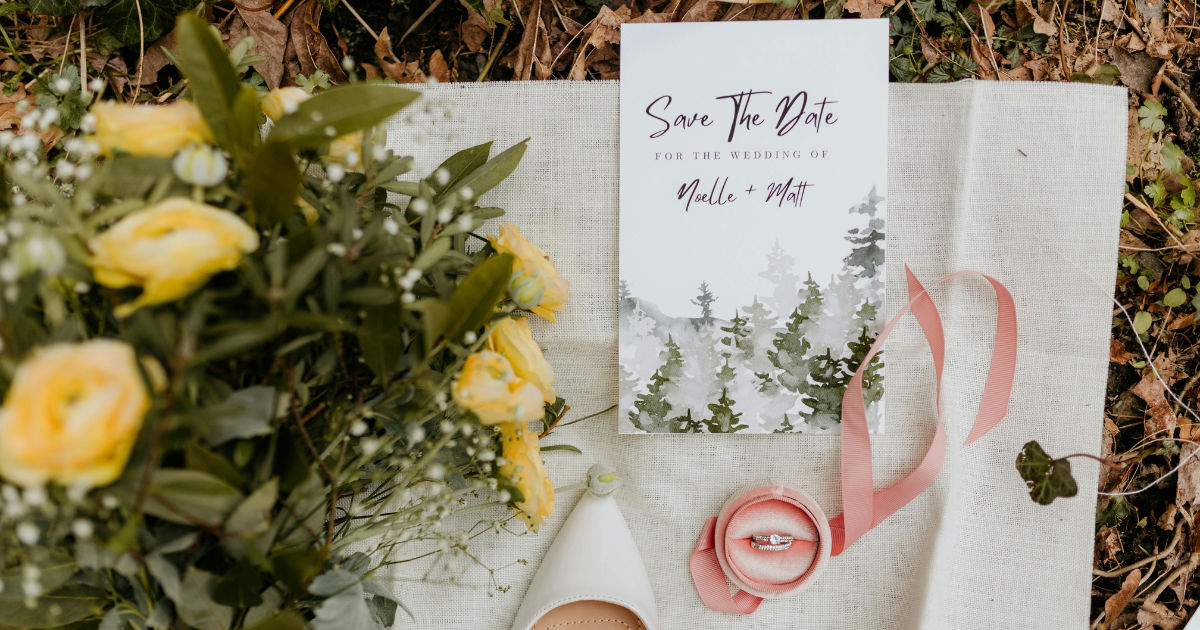
A shadi card is not just a piece of paper; it is an invitation that carries your emotions, culture, and respect for your guests. One of the most challenging aspects of creating a shadi card is deciding what to write in it, particularly if you want to include both Urdu and English text.
In this comprehensive guide, we will explore how to write a shadi card effectively, provide examples in both Urdu and English, and offer tips to make your invitation look elegant, respectful, and memorable.
Whether you are a bride, groom, or family member, this guide will help you create a perfect shadi card that your guests will appreciate.
Importance of Shadi Card Wording
A shadi card is the first glimpse your guests have of your wedding. It communicates not only the date and venue but also your style, cultural identity, and the tone of the event. Proper wording ensures clarity and avoids misunderstandings.
-
First impression matters: Guests often form an impression of the wedding based on the card’s design and wording.
-
Cultural respect: In Urdu-speaking families, traditional phrasing reflects respect for elders and cultural values.
-
Clarity: A well-written shadi card prevents confusion about timings, dress code, and venues.
-
Memorable touch: Including meaningful verses, quotes, or blessings in Urdu or English can leave a lasting impression.
Basic Structure of a Shadi Card
Before writing, it’s important to understand the basic sections of a shadi card:
-
Invitation Opening: Typically includes religious or formal greetings.
-
Names of the Bride and Groom: Written clearly in Urdu, English, or both.
-
Date and Time: Clearly mention day, date, and time of ceremonies.
-
Venue Details: Include complete address with landmarks if necessary.
-
RSVP Information: Contact numbers for confirmation.
-
Additional Notes: Optional messages like dress code, special instructions, or blessings.
Each section can be written in Urdu, English, or a combination of both, depending on your audience.
Writing Shadi Card in Urdu
Urdu is considered traditional and elegant, and many families prefer Urdu shadi cards for their warmth and formality. Writing in Urdu allows you to convey deep emotions in a culturally respectful way.
Common Phrases in Urdu
-
دعوت نامہ برائے شادی – Invitation for Wedding
-
ہمیں خوشی ہوگی اگر آپ ہماری خوشیوں میں شامل ہوں گے – We will be delighted if you join us in our happiness
-
برائے کرم تشریف لائیں – Kindly attend
-
والدین کی جانب سے – On behalf of the parents
Example of Urdu Shadi Card Wording
بسم اللہ الرحمن الرحیم
محترم/محترمہ [Guest Name]
ہم [Bride’s Name] اور [Groom’s Name] کی شادی میں آپ کی موجودگی کے منتظر ہیں۔
تاریخ: [Date]
وقت: [Time]
مقام: [Venue Name & Address]
والدین کی جانب سے: [Parent Names]
برائے کرم اپنی آمد کی اطلاع [RSVP Contact] پر دیں
This wording is polite, traditional, and communicates all necessary details clearly.
Writing Shadi Card in English
English shadi cards are often preferred by younger couples, modern families, or when inviting guests who do not read Urdu. The style can be formal, semi-formal, or casual.
Common English Phrases for Shadi Cards
-
"You are cordially invited to the wedding of [Bride] & [Groom]"
-
"Please join us in celebrating the joyous union of [Bride] and [Groom]"
-
"We request the honor of your presence at our wedding celebration"
-
"Reception to follow"
Example of English Shadi Card Wording
Mr. & Mrs. [Parent Names]
Request the pleasure of your company
At the marriage of their children
[Bride’s Name] & [Groom’s Name]
On [Date] at [Time]
[Venue Name & Address]
Kindly RSVP by [RSVP Contact]
English wording allows more flexibility with tone and style, and can include quotes, poems, or blessings in English.
Combining Urdu and English
Many modern couples prefer a bilingual shadi card. Combining Urdu and English ensures all guests understand the invitation while maintaining tradition.
Tips for Bilingual Shadi Cards
-
Use Urdu for formal blessings: e.g., “بسم اللہ الرحمن الرحیم” or traditional prayers.
-
Use English for logistical details: Date, venue, RSVP, dress code.
-
Highlight names in both languages: Helps with readability and respect.
-
Keep the text balanced: Avoid clutter by using clear sections and proper spacing.
Example of Bilingual Shadi Card
بسم اللہ الرحمن الرحیم
محترم/محترمہ [Guest Name]
ہم [Bride’s Name] اور [Groom’s Name] کی شادی میں آپ کی موجودگی کے منتظر ہیں۔
You are cordially invited to the wedding celebration of [Bride’s Name] & [Groom’s Name]
تاریخ: [Date] وقت: [Time]
Venue: [Venue Name & Address]
برائے کرم اپنی آمد کی اطلاع [RSVP Contact] پر دیں
This combination keeps tradition alive while making details accessible to everyone.
Tips for Writing Shadi Card Wording
Writing a shadi card involves more than just filling in names and dates. Here are tips to make your card elegant and effective:
1. Keep It Clear and Simple
-
Avoid long paragraphs.
-
Use short sentences for easy readability.
-
Make sure the date, time, and venue are clearly visible.
2. Choose Appropriate Tone
-
Traditional weddings: Formal language, Urdu phrases, religious blessings.
-
Modern weddings: Casual or semi-formal tone, simple English with a friendly message.
-
Fusion weddings: Blend Urdu blessings with English logistics.
3. Include Essential Details Only
-
Names of bride and groom
-
Date and time of ceremonies
-
Venue address
-
RSVP contact
Extra information like gifts or parking instructions can be added on a separate note.
4. Respect Cultural Norms
-
Using proper titles for elders and guests is important in Urdu culture.
-
Phrases like "محترم" (Respected) or "جناب" (Sir) convey respect.
-
If writing in English, formal words like "cordially" or "request the pleasure of your company" maintain politeness.
5. Use Quotes or Verses
-
Include traditional Urdu couplets or English quotes about love and marriage.
-
Example in Urdu: "محبت کے بندھن میں بندھنے جا رہے ہیں، آپ کی دعاؤں کی ضرورت ہے"
-
Example in English: "Two hearts, one soul, joined together in love."
6. Proofread Carefully
-
Double-check names and spellings.
-
Ensure dates, times, and venue addresses are correct.
-
Avoid grammatical errors in both Urdu and English.
Modern Trends in Shadi Card Wording
The wedding industry in Pakistan has seen evolving trends in shadi card wording:
Minimalist Designs
-
Short, clear, and elegant text.
-
Focus on important details rather than lengthy messages.
Personalized Messages
-
Couples write a short note thanking guests in Urdu, English, or both.
-
Makes the shadi card more personal and heartfelt.
Creative Phrases
-
Contemporary couples sometimes use fun or casual phrases like:
-
"Let’s celebrate love together!"
-
"Join us for a day full of laughter and memories."
-
Use of Digital Shadi Cards
-
Digital invitations are gaining popularity.
-
They allow bilingual wording, animations, and links for RSVPs.
Common Mistakes to Avoid in Shadi Card Wording
-
Overcrowding text: Too many details make it hard to read.
-
Mixing formal and casual tone: Keep the style consistent.
-
Incorrect spellings: Names, titles, and locations must be accurate.
-
Neglecting bilingual guests: Always consider all types of guests.
-
Ignoring RSVP: Missing RSVP details can confuse guests.
Examples of Shadi Card Wording by Style
Traditional Urdu Style
بسم اللہ الرحمن الرحیم
محترم/محترمہ [Guest Name]
[Bride’s Name] اور [Groom’s Name] کی شادی میں شرفِ شرکت کے لیے آپ کو مدعو کیا جاتا ہے۔
تاریخ: [Date]
وقت: [Time]
مقام: [Venue Name & Address]
والدین کی جانب سے: [Parent Names]
برائے کرم آمد کی اطلاع [RSVP Contact] پر دیں
Traditional English Style
Mr. & Mrs. [Parent Names]
Request the honor of your presence
At the wedding of their children
[Bride’s Name] & [Groom’s Name]
On [Date] at [Time]
[Venue Name & Address]
Kindly RSVP to [RSVP Contact]
Bilingual Modern Style
بسم اللہ الرحمن الرحیم
محترم/محترمہ [Guest Name]
ہم [Bride’s Name] اور [Groom’s Name] کی شادی میں آپ کی موجودگی کے منتظر ہیں۔
Please join us to celebrate the wedding of [Bride’s Name] & [Groom’s Name]
تاریخ: [Date] وقت: [Time]
Venue: [Venue Name & Address]
برائے کرم اپنی آمد کی اطلاع [RSVP Contact] پر دیں
Conclusion
Writing a shadi card may seem simple, but it carries the weight of tradition, culture, and your personal message to your guests. Whether you choose Urdu, English, or a combination of both, clarity, elegance, and respect should guide your wording. A well-written shadi card ensures your guests feel honored, welcomed, and informed.
By following this guide, you can create a shadi card that is not only beautiful and functional but also memorable. Remember to:
-
Keep the message clear and concise
-
Respect cultural norms
-
Include all essential details
-
Proofread carefully
-
Personalize with quotes or blessings
With the right words, your shadi card can set the perfect tone for your wedding celebration and leave a lasting impression on everyone you invite.