
In today’s digital world, images play a major role in online content. Whether it’s videos, websites, or social media platforms, thumbnails are everywhere.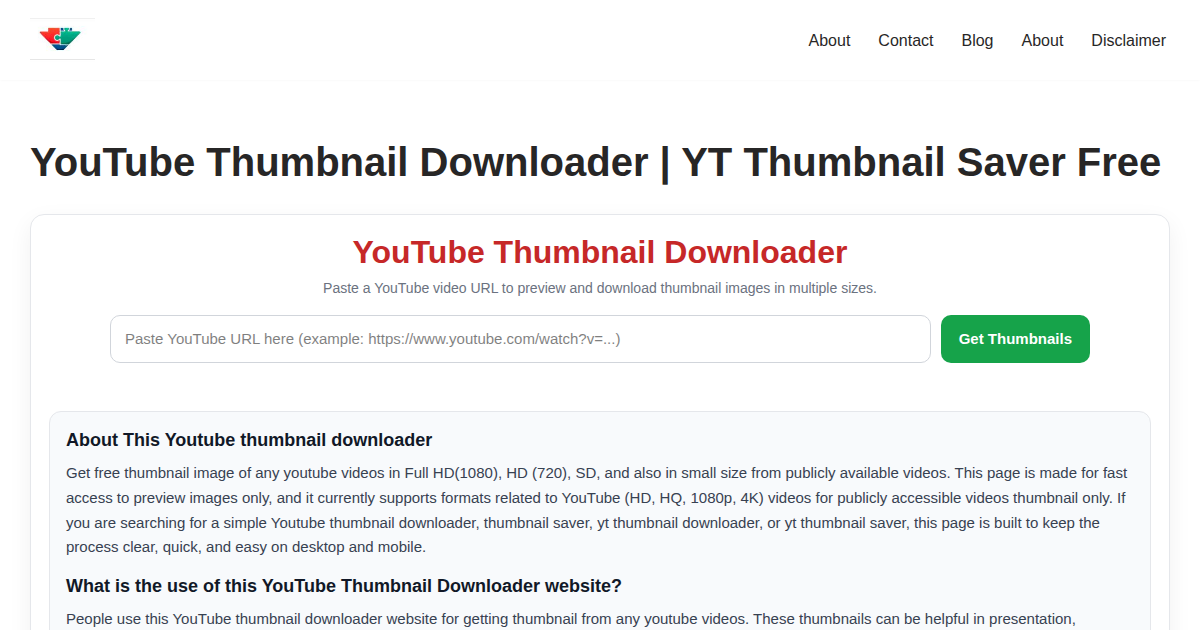
These small preview images give users a glimpse of what to expect before clicking. But have you ever wanted to save these thumbnails easily for personal use or research?
That’s where the Thumbnail Save browser tool comes in. This guide will explain exactly how the Thumbnail Saver works, its features, practical uses, and everything you need to know to make the most of it.
What Is a Thumbnail Saver Browser Tool?
A Thumbnail Saver browser tool is a software extension or online service designed to extract and download thumbnails from websites or videos. These tools are especially popular for platforms like YouTube, Vimeo, and social media websites where content is rich in images. The main purpose of the tool is to allow users to quickly Thumbnail Save images without needing to screenshot or manually search for the image file.
Thumbnails are usually compressed, low-resolution images that act as previews. Manually saving them can be tedious, but a Thumbnail Saver tool automates this process. By using the tool, you can access multiple thumbnails in seconds and save them directly to your device.
How Does Thumbnail Saver Work?
The working of a Thumbnail Saver browser tool can be broken down into several steps. Understanding these steps will help you use the tool efficiently.
1. Detection of Thumbnails
When you open a webpage or video, the Thumbnail Saver tool scans the page’s HTML code to detect images that qualify as thumbnails. These images usually have specific tags, such as <img> in the HTML structure, and certain attributes like src, data-thumb, or poster.
2. Extracting Image URLs
Once the tool identifies the thumbnails, it extracts their direct URLs. This step is crucial because the actual images may be hosted on external servers or embedded in a way that makes them hard to download directly. The tool finds the correct link so users can easily access the full image file.
3. Generating Download Options
After extracting the URLs, the Thumbnail Saver tool provides a list of all available thumbnails on that page. It often includes options like downloading images individually, bulk saving multiple images, or selecting the preferred image resolution.
4. Saving the Thumbnails
The final step involves the actual Thumbnail Save process. Users click on the image or select multiple images, and the tool downloads them to their device in a convenient folder. Some advanced tools even allow automatic organization of saved thumbnails based on date, source, or type.
Features of a Good Thumbnail Saver Browser Tool
Not all thumbnail saver tools are created equal. Here are some features that make a Thumbnail Saver tool efficient and user-friendly.
Easy Installation and Use
The best tools are simple to install as a browser extension or plugin. They usually work in Chrome, Firefox, and Edge, without requiring advanced technical knowledge. Once installed, the tool should be accessible via a single click or a context menu.
Compatibility with Multiple Platforms
A good Thumbnail Saver works across different websites and platforms. For example, it should be able to extract thumbnails from YouTube, Instagram, Facebook, and even news websites without errors.
Bulk Download
Instead of saving images one by one, advanced tools allow bulk download. This feature is particularly useful for designers, content creators, and marketers who need a large number of images quickly.
High-Resolution Options
Some thumbnails may appear low-quality in previews. The best tools offer the option to Thumbnail Save high-resolution versions if available. This is useful for professional projects or presentations.
Preview Before Download
A preview feature allows users to check thumbnails before downloading them. This ensures that only the relevant images are saved, avoiding unnecessary clutter.
Security and Privacy
Reliable Thumbnail Saver tools don’t collect personal data or track browsing history. They operate locally in the browser, ensuring your information remains secure.
Step-by-Step Guide to Using a Thumbnail Saver Tool
Using a Thumbnail Saver tool is easy once you understand the process. Here’s a step-by-step guide:
Step 1: Install the Tool
Search for a reliable Thumbnail Saver browser extension. Most are free and available in the Chrome Web Store or Firefox Add-ons. Click “Add to Browser” and confirm installation.
Step 2: Open the Webpage or Video
Navigate to the page where you want to save thumbnails. It could be a video platform, a gallery, or a social media profile.
Step 3: Activate the Tool
Click on the Thumbnail Saver icon in your browser toolbar. The tool will scan the page automatically.
Step 4: Select Thumbnails
Once the tool displays all available thumbnails, choose the ones you want to save. You can select one or multiple images depending on your need.
Step 5: Download Images
Click the download button or use the Thumbnail Save option to save images to your device. Some tools allow you to specify folders and file names for better organization.
Why Use a Thumbnail Saver Tool?
There are several reasons why a Thumbnail Saver tool is useful:
Content Creation
If you are a content creator, thumbnails are essential for visual storytelling. Using a Thumbnail Saver allows you to collect inspiration or reuse images legally within your projects.
Research and Analysis
Researchers studying trends on video platforms or social media can use Thumbnail Saver tools to gather visual data quickly. It’s faster than taking screenshots and ensures uniform image quality.
Personal Collection
Sometimes you may just want to save thumbnails of favorite videos, artworks, or posts for personal use. Thumbnail Saver tools make this convenient.
Marketing and SEO
Digital marketers often analyze competitors’ visual content. Using a Thumbnail Saver, they can collect and study thumbnails to understand trends, styles, and audience engagement strategies.
Common Platforms Compatible with Thumbnail Saver Tools
Most Thumbnail Saver tools work on a wide range of platforms. Here’s a list of popular ones:
-
YouTube: Extract video thumbnails for content review or promotion.
-
Vimeo: Collect previews for portfolio or analysis.
-
Instagram: Save post thumbnails for inspiration or curation.
-
Facebook: Download image previews from public posts or pages.
-
News Websites: Collect article thumbnails for reference or archiving.
Tips for Efficient Thumbnail Saving
To get the most out of your Thumbnail Saver tool, follow these tips:
Check Image Resolution
Always check if the tool offers higher resolution thumbnails. Low-resolution images may look pixelated in projects.
Organize Saved Thumbnails
Create folders by category, platform, or date to keep your Thumbnail Save collection organized.
Use Keyboard Shortcuts
Some tools allow shortcut keys for faster operation. Learn them to save time when collecting multiple images.
Keep the Tool Updated
Browser extensions frequently update for security and compatibility. Regular updates ensure the Thumbnail Saver works efficiently.
Troubleshooting Common Issues
Even the best tools may face occasional problems. Here’s how to solve them:
Thumbnails Not Detected
If the tool cannot find thumbnails, refresh the page or check if the content is dynamically loaded. Some websites use scripts that require manual refresh or additional permissions.
Downloads Fail
Check your internet connection and browser download settings. Ensure the tool has permission to save files on your device.
Compatibility Problems
Not all tools support every platform. If a thumbnail doesn’t appear, try a different Thumbnail Saver tool that specifically supports that website.
Advanced Features to Explore
Modern Thumbnail Saver tools often include advanced features:
Bulk Metadata Export
Some tools allow you to export thumbnail details like URL, size, and source in a CSV file. This is useful for research or content management.
Cloud Integration
Certain Thumbnail Saver tools support saving images directly to cloud storage like Google Drive or Dropbox. This saves local storage space and allows easy sharing.
Batch Rename
Advanced tools let you rename multiple thumbnails at once according to a pattern, making organization easier.
Extension Customization
You can often customize how the tool scans pages, including filters for image size, type, and source. This ensures you only Thumbnail Save images that matter to you.
Legal and Ethical Considerations
While Thumbnail Saver tools are convenient, it’s important to use them responsibly.
-
Copyright: Many thumbnails are protected by copyright. Avoid using them for commercial purposes without permission.
-
Platform Policies: Websites like YouTube or Instagram may have rules against mass downloading. Always follow the platform’s guidelines.
-
Personal Use: Stick to personal or research purposes to avoid legal issues. Respect creators’ content rights.
Advantages of Using a Thumbnail Saver Tool
Using a Thumbnail Saver tool comes with many benefits:
-
Time-Saving: Quickly collect thumbnails without manual work.
-
Convenience: One-click download instead of multiple steps.
-
Organization: Many tools offer bulk download and file management.
-
Accessibility: Works across multiple websites and platforms.
-
High Quality: Option to save high-resolution thumbnails when available.
Practical Applications of Thumbnail Saver Tools
Thumbnail Saver tools have a wide range of practical applications:
Educational Use
Teachers and students can collect thumbnails for presentations, research, or visual study materials.
Digital Marketing
Marketers can analyze competitor content, trends, and visual strategies efficiently.
Personal Collections
Fans of videos, movies, or social media content can build a collection of favorite thumbnails.
Creative Inspiration
Designers and artists can gather visual references and inspiration for projects.
Conclusion
The Thumbnail Saver browser tool is an essential utility for anyone who works with online content, whether for personal use, research, marketing, or creative projects. It simplifies the process of Thumbnail Save, allowing users to access images quickly and efficiently. By understanding how it works, exploring its features, and using it responsibly, you can save time, improve productivity, and maintain organized collections of thumbnails from multiple platforms.
With this comprehensive guide, you now know what a Thumbnail Saver tool is, how it works, its features, and how to use it effectively. Always remember to respect copyright and platform policies, and you can make the most of this powerful digital tool.