
Solar energy has become an increasingly popular choice for households and businesses in Pakistan. With rising electricity costs, frequent power interruptions, and growing interest in renewable energy, many people are investing in solar systems to reduce their electricity expenses. However, installing solar panels is only the first step. Regular maintenance is equally important to keep the system working efficiently for many years.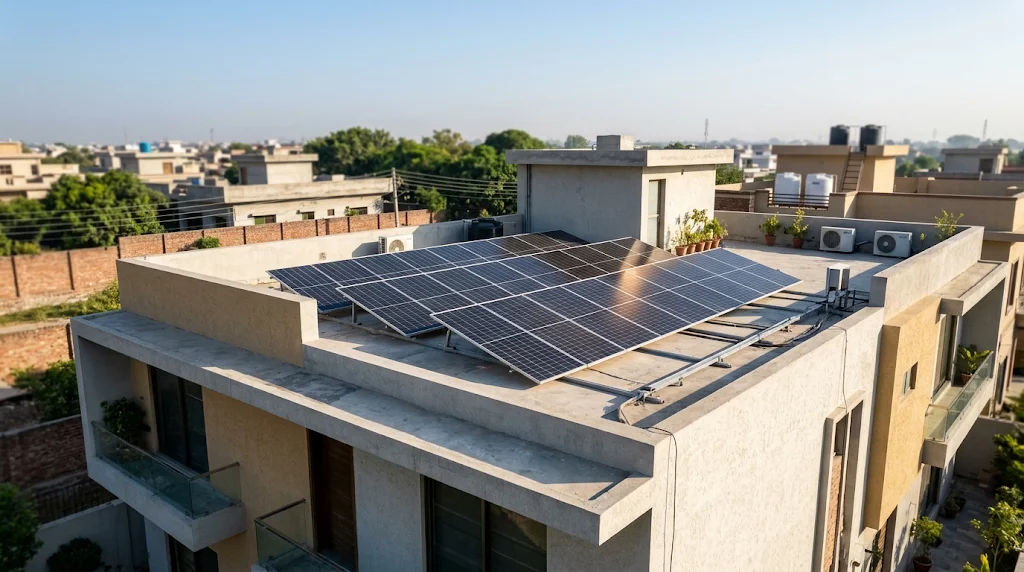
Understanding maintenance requirements also helps homeowners make informed decisions about installation costs and the Solar panel price in Pakistan. Although modern solar panels are designed to withstand different weather conditions, they still require occasional cleaning, inspection, and performance monitoring.
The good news is that solar panel maintenance is not particularly complicated. Most basic tasks can be performed through simple visual checks and routine cleaning. However, electrical inspections and technical repairs should always be handled by qualified professionals.
This comprehensive guide explains how frequently solar panels need maintenance in Pakistan, which factors influence maintenance schedules, and how homeowners can protect their solar investments.
Why Is Solar Panel Maintenance Important?
Solar panels are designed to produce electricity for decades, but their performance depends on several environmental and technical factors. Dust, pollution, bird droppings, and weather conditions can gradually affect their efficiency.
Pakistan experiences different weather conditions throughout the year. Some regions receive heavy rainfall, while others experience dry weather, dust storms, and extreme temperatures. These conditions make regular maintenance particularly important.
Here are some reasons why solar panel maintenance matters.
Maintaining Electricity Production
Dust and dirt can accumulate on solar panel surfaces and prevent sunlight from reaching the photovoltaic cells effectively.
When sunlight exposure decreases, electricity production may also decline. Regular cleaning helps maintain the system's ability to generate electricity.
Protecting Your Solar Investment
Solar installations require a considerable initial investment. The overall expense depends on system capacity, equipment quality, installation requirements, and the Solar panel price in Pakistan.
Proper maintenance helps protect this investment by identifying minor problems before they become expensive repairs.
Increasing Equipment Lifespan
Solar panels, inverters, mounting structures, and electrical connections all have different maintenance requirements.
Regular inspections help identify corrosion, loose connections, damaged cables, and other problems that could affect equipment performance.
Improving System Safety
A solar installation contains electrical components that must operate safely.
Professional inspections can identify damaged wiring, overheating connections, and other electrical concerns before they create serious problems.
How Often Should Solar Panels Be Cleaned in Pakistan?
Cleaning frequency depends mainly on the local environment. Solar panels installed in dusty locations generally require more frequent cleaning than systems installed in areas with regular rainfall.
There is no single cleaning schedule suitable for every Pakistani household.
However, the following guidelines provide a useful starting point.
Cleaning Every Two to Four Weeks
In dusty areas, cleaning solar panels every two to four weeks may be appropriate.
Cities such as Lahore, Karachi, Faisalabad, and Multan experience varying levels of dust and air pollution. Construction activities, traffic, and dry weather can increase the amount of dirt collecting on panel surfaces.
Homeowners should inspect their panels regularly and clean them when visible dirt begins affecting their appearance or performance.
Cleaning Every One to Two Months
Homes located in relatively clean residential areas may not require frequent cleaning.
If the panels receive regular rainfall and there is limited surrounding dust, cleaning every one or two months may be sufficient.
However, rainfall does not always remove stubborn dirt, bird droppings, or accumulated pollution.
Cleaning After Dust Storms
Dust storms can leave a thick layer of dirt across solar panel surfaces.
After a major dust storm, homeowners should visually inspect their installations and arrange cleaning when necessary.
Removing accumulated dust helps restore sunlight exposure and supports normal electricity production.
Cleaning After Heavy Pollution
Air pollution can create deposits that remain on solar panel glass.
Industrial areas and properties near busy roads may experience faster dirt accumulation.
In these locations, homeowners should monitor panel cleanliness more frequently.
How Often Should Solar Panels Be Inspected?
Cleaning is only one part of solar maintenance. Other components also need regular attention to ensure the entire installation operates correctly.
A practical inspection schedule includes monthly visual checks, professional inspections every six to twelve months, and additional assessments whenever performance problems appear.
Monthly Visual Inspection
Homeowners should visually inspect their solar systems approximately once every month.
During this inspection, look for:
-
Visible dust and dirt accumulation.
-
Cracks or noticeable damage to panel glass.
-
Loose or displaced mounting structures.
-
Damaged external cables.
-
Bird nests or other obstructions.
-
Unusual shadows affecting sunlight exposure.
These checks help identify visible problems early.
Never climb onto an unsafe roof or touch exposed electrical components during an inspection.
Professional Inspection Every Six to Twelve Months
A qualified solar technician should inspect the system periodically.
Professional maintenance generally includes checking electrical connections, inverter operation, mounting hardware, protective equipment, and system performance.
The technician may also examine earthing arrangements and inspect cables for signs of deterioration.
The exact inspection frequency depends on installation quality, equipment recommendations, and environmental conditions.
Additional Inspection When Performance Drops
If electricity production suddenly decreases, the system should be investigated.
Possible causes include dirty panels, inverter faults, damaged wiring, shading, or changes in weather conditions.
A qualified technician can identify the underlying problem instead of relying on guesswork.
Seasonal Solar Panel Maintenance in Pakistan
Pakistan experiences considerable seasonal variation. Each season creates different maintenance requirements for solar installations.
Understanding these changes helps homeowners develop a practical maintenance routine.
Summer Maintenance
Summer brings intense sunlight and high temperatures across many parts of Pakistan.
Although solar panels require sunlight to generate electricity, excessive heat can reduce their electrical efficiency.
During summer, homeowners should:
-
Inspect panels for dust accumulation.
-
Check inverter ventilation.
-
Ensure surrounding objects do not create unnecessary shade.
-
Monitor electricity production.
-
Arrange cleaning when needed.
Inverter ventilation is particularly important because excessive heat can affect its operation.
Never spray water on hot panels during peak sunlight. Cleaning during cooler morning or evening hours is generally safer.
Monsoon Maintenance
The monsoon season brings rainfall, humidity, and occasional strong winds.
Rain may remove loose dust, but it does not guarantee that panels remain completely clean.
Homeowners should pay attention to mounting structures, waterproofing, electrical enclosures, and drainage arrangements.
After severe storms, a professional should inspect any installation showing signs of physical damage.
Winter Maintenance
Winter generally brings cooler temperatures, which can support good solar panel performance.
However, fog, smog, and dust may reduce sunlight exposure in several Pakistani cities.
During winter, homeowners should:
-
Monitor daily electricity production.
-
Check for accumulated dirt.
-
Inspect panels for obstructions.
-
Examine exposed cables.
-
Keep the inverter area properly ventilated.
Fog and cloudy conditions can naturally reduce electricity generation, so a temporary production decrease does not always indicate equipment damage.
Spring Maintenance
Spring is a useful time for a general solar system inspection.
Dusty weather and seasonal changes can leave dirt on panel surfaces.
Homeowners can arrange professional maintenance before summer begins.
This inspection helps ensure that the installation is ready for periods of strong sunlight and higher electricity demand.
What Factors Affect Solar Panel Maintenance Frequency?
Different solar installations require different maintenance schedules.
Several factors determine how frequently a homeowner should clean and inspect their system.
Location and Surrounding Environment
Location is one of the biggest factors influencing maintenance frequency.
Properties near highways, factories, construction sites, and agricultural land may experience faster dust accumulation.
A house in a relatively clean residential area may require less frequent cleaning.
Weather Conditions
Weather directly affects solar panel cleanliness and performance.
Dust storms can cover panels quickly, while rainfall may remove some surface dirt.
High humidity can also contribute to deposits and moisture-related concerns around electrical equipment.
Panel Installation Angle
The angle at which solar panels are installed influences how easily dirt and water move across their surfaces.
Panels installed at a suitable angle may benefit from natural rainwater runoff.
However, installation angle alone cannot prevent dust accumulation.
Nearby Trees and Buildings
Trees, buildings, and other surrounding structures can create shadows across solar panels.
Bird droppings, leaves, and branches may also obstruct sunlight.
Regularly checking nearby obstructions helps maintain consistent system performance.
Solar Equipment Quality
Different solar panels and inverters have different construction standards and maintenance requirements.
When comparing equipment, homeowners should consider warranties, manufacturer recommendations, installation quality, and after-sales support.
The Solar panel price in Pakistan can vary according to panel technology, brand, wattage, and market conditions. However, purchasing equipment should not be based on price alone.
Step-by-Step Guide to Cleaning Solar Panels Safely
Solar panel cleaning is generally straightforward, but safety should always come first.
Homeowners should avoid climbing onto roofs without proper protection. If panels are installed in difficult-to-reach locations, professional cleaning services are a better option.
Step 1: Check the Panel Condition
Before arranging cleaning, visually inspect the panels from a safe location.
Look for dirt, bird droppings, leaves, and other visible obstructions.
If you notice cracks or damaged electrical components, contact a qualified technician.
Step 2: Choose the Right Time
Early morning or late afternoon is generally suitable for cleaning.
During these periods, panel surfaces are usually cooler than during peak sunlight.
Avoid cleaning hot panels because sudden temperature changes may damage certain materials.
Step 3: Use Suitable Cleaning Equipment
Use clean water and a soft cleaning brush or non-abrasive sponge.
Avoid rough materials that could scratch the glass surface.
Strong chemicals and harsh detergents should not be used unless specifically approved by the panel manufacturer.
Step 4: Remove Loose Dirt Carefully
Loose dust can often be removed with gentle rinsing.
For stubborn dirt, use an appropriate soft cleaning tool without applying excessive pressure.
Avoid directing high-pressure water toward panel edges, connectors, or electrical enclosures.
Step 5: Check the Results
After cleaning, inspect the panels again from a safe location.
Check whether visible dirt has been removed and whether any damage has become noticeable.
If electricity production remains unusually low, ask a technician to investigate.
How Often Does a Solar Inverter Need Maintenance?
Solar panels are only one part of a complete solar energy system.
The inverter is responsible for converting electricity generated by solar panels into usable electrical power.
Because the inverter contains electronic components, it also requires periodic inspection.
Monthly Inverter Monitoring
Homeowners should check inverter displays or monitoring applications regularly.
Look for warning messages, unusual operating conditions, or unexpected changes in electricity production.
A sudden shutdown should be investigated according to the manufacturer's instructions.
Cleaning the Inverter Area
Dust can accumulate around inverter ventilation openings.
Keep the surrounding area clean and ensure sufficient airflow.
Do not open the inverter enclosure or attempt electrical repairs yourself.
Annual Professional Inspection
A professional technician should periodically inspect inverter connections, ventilation, protective devices, and general operating conditions.
The manufacturer may recommend a different maintenance interval, so its instructions should always take priority.
Common Solar Panel Maintenance Mistakes to Avoid
Even well-maintained solar systems can experience problems when homeowners follow unsuitable cleaning or inspection practices.
Avoiding common mistakes can protect equipment and reduce unnecessary repair expenses.
Using Harsh Chemicals
Strong chemicals may damage protective coatings or other panel materials.
Use only cleaning products approved by the manufacturer.
Ignoring Small Problems
Minor issues such as loose mounting hardware, damaged cables, or unusual inverter warnings should not be ignored.
Early professional attention can prevent more serious problems.
Cleaning During Extreme Heat
Cleaning hot panels can expose them to sudden temperature changes.
Choose cooler periods and follow manufacturer cleaning instructions.
Walking Directly on Solar Panels
Solar panels are not designed to support a person's weight.
Walking on them can damage internal components, even when the glass appears undamaged.
Ignoring Electricity Production
Some homeowners focus only on cleaning and forget to monitor system performance.
Checking daily, weekly, or monthly production data helps identify unusual changes.
How Does Maintenance Affect Solar Panel Price in Pakistan?
The purchase price of solar panels is an important consideration for homeowners planning an installation.
However, the total cost of solar ownership includes more than the initial purchase.
Installation, inverter equipment, mounting structures, wiring, cleaning, inspections, and occasional repairs can all influence long-term expenses.
The Solar panel price in Pakistan depends on several factors, including:
-
Panel wattage and technology.
-
Manufacturer and product quality.
-
Available market supply.
-
Currency exchange rates.
-
Warranty coverage.
-
Installation requirements.
-
Distributor and supplier pricing.
Maintenance costs should also be considered when comparing different solar systems.
A slightly cheaper installation may not necessarily provide the best long-term value if its components have limited warranties or require frequent repairs.
Homeowners should request a complete quotation that clearly explains equipment specifications, installation charges, warranties, and after-sales services.
Signs That Your Solar System Needs Professional Maintenance
Sometimes a solar system needs attention before its scheduled inspection.
Recognising warning signs can help homeowners respond quickly.
Unexpected Reduction in Electricity Production
If electricity generation drops significantly under similar sunlight conditions, the system should be inspected.
Possible reasons include shading, dirt, inverter problems, or electrical faults.
Frequent Inverter Warnings
Repeated warning messages indicate that the inverter may require professional attention.
Check the manufacturer's guidance and contact an authorised service provider when necessary.
Visible Panel Damage
Cracked glass, damaged frames, or loose mounting structures require professional assessment.
Damaged panels should not be handled by untrained individuals.
Unusual Sounds or Burning Smells
Unusual electrical sounds or burning smells should be treated seriously.
Avoid touching the equipment and contact a qualified electrician or solar technician promptly.
Water Entering Electrical Equipment
Moisture inside electrical enclosures can affect system safety.
A professional should inspect damaged seals, exposed connections, and affected equipment.
Creating a Simple Solar Panel Maintenance Schedule
A maintenance schedule makes it easier to remember important tasks throughout the year.
The following table provides a practical example for residential solar installations in Pakistan.
|
Maintenance Task |
Suggested Frequency |
|---|---|
|
Visual panel inspection |
Monthly |
|
Solar production monitoring |
Weekly |
|
Panel cleaning in dusty areas |
Every 2–4 weeks, as needed |
|
Panel cleaning in cleaner areas |
Every 1–2 months, as needed |
|
Inverter monitoring |
Monthly |
|
Electrical inspection |
Every 6–12 months |
|
Mounting structure inspection |
Every 6–12 months |
|
Professional system assessment |
Annually or as recommended |
|
Inspection after severe storms |
Whenever necessary |
These intervals are general recommendations rather than fixed requirements.
The correct schedule depends on the installation environment, manufacturer instructions, and system condition.
Should You Hire Professional Solar Maintenance Services?
Many basic maintenance activities involve checking system performance and observing visible dirt.
However, electrical inspections and repairs require technical knowledge.
Hiring a professional is particularly useful when:
-
The installation is located on a high or difficult-to-access roof.
-
Electricity production decreases unexpectedly.
-
The inverter displays repeated errors.
-
Electrical connections need inspection.
-
Mounting structures appear loose.
-
Panels show visible physical damage.
Before hiring a maintenance provider, ask about technician qualifications, inspection procedures, service charges, and warranty conditions.
It is also important to select a service provider who follows appropriate electrical safety procedures.
Professional maintenance may involve an additional expense, but it can help protect expensive equipment and support reliable electricity generation.
Practical Tips for Extending Solar Panel Lifespan
Solar panels are designed for long-term operation, but their lifespan depends partly on installation quality and environmental conditions.
Homeowners can follow several practical steps to maintain their systems.
Choose a Reliable Installation Company
Proper installation is essential for long-term performance.
Select an experienced installer who understands electrical safety, mounting requirements, and local weather conditions.
Follow Manufacturer Recommendations
Every solar panel and inverter has specific operating and maintenance instructions.
Following these recommendations helps prevent unnecessary damage.
Keep Surrounding Areas Clear
Remove unnecessary obstructions around the installation when it is safe to do so.
Ensure nearby vegetation does not create excessive shading.
Monitor System Performance
Regularly reviewing electricity production can help identify unusual performance changes.
Keep records of monthly generation to understand normal seasonal variations.
Maintain Proper Ventilation
Inverters and other electrical equipment require suitable ventilation.
Avoid blocking ventilation openings or placing equipment in unsuitable locations.
Keep Warranty Documents Safe
Store purchase receipts, installation records, equipment specifications, and warranty information.
These documents can be useful when requesting repairs or technical support.
Conclusion
Solar panel maintenance in Pakistan is generally required on a regular but manageable basis. For most residential installations, monthly visual inspections, periodic cleaning, and professional servicing every six to twelve months provide a practical starting point. However, the exact schedule depends on location, weather conditions, installation quality, and equipment specifications.
Homeowners living in dusty cities or near construction areas may need to clean their panels more frequently. Meanwhile, properties in cleaner environments may require less frequent cleaning. Seasonal inspections are also useful because summer heat, monsoon rainfall, winter fog, and spring dust can influence system performance.
It is equally important to maintain the inverter, electrical connections, mounting structures, and protective equipment. Monitoring electricity production helps homeowners identify unusual changes before they develop into larger problems. Electrical repairs and difficult roof inspections should always be handled by qualified professionals.
When planning a solar installation, buyers should consider equipment quality, warranty coverage, installation standards, and long-term maintenance expenses. Comparing the Solar panel price in Pakistan is useful, but the cheapest option is not always the most economical over the system's lifetime.
Ultimately, a consistent maintenance routine can help protect a solar investment, support reliable electricity production, and reduce avoidable repair expenses. By cleaning panels when necessary, arranging periodic inspections, and following manufacturer recommendations, Pakistani homeowners can keep their solar systems operating efficiently for many years.