
Religious education plays an important role in helping children develop knowledge, confidence, discipline, and a deeper understanding of their faith. For Muslim families living in Finland, finding an effective way to monitor a child's Quran learning journey is an important part of choosing the right educational programme. Parents want to know whether their children are improving their Arabic pronunciation, recognising letters, memorising verses, and understanding basic Islamic teachings. A well-organised learning programme makes these goals easier to achieve through regular assessment and communication.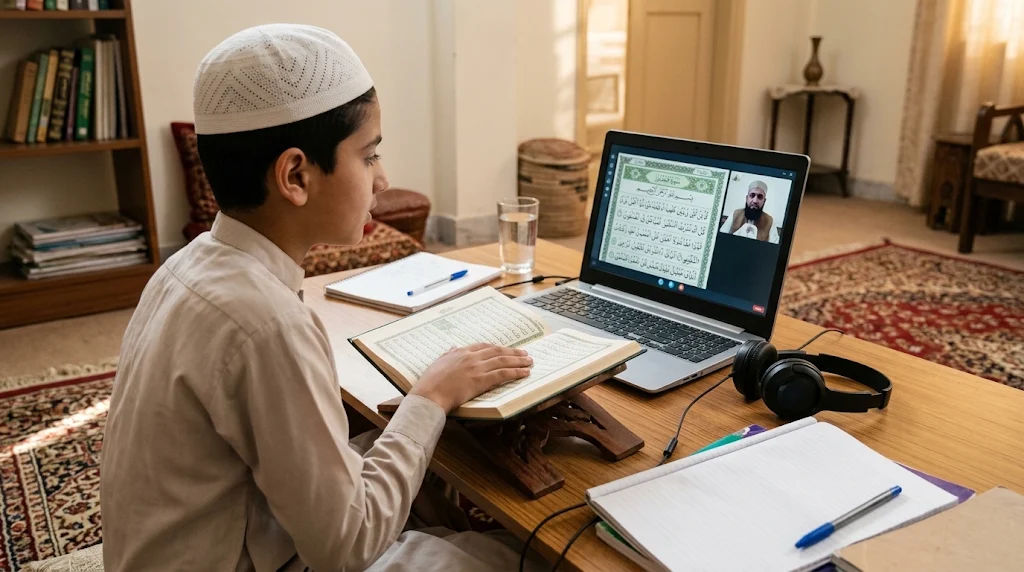
Quran lessons for kids in finland often use structured learning methods to monitor children's development. Teachers may evaluate reading ability, memorisation, Tajweed, participation, and understanding through regular lessons and individual feedback. These methods help identify strengths and areas that need more attention without putting unnecessary pressure on young learners.
Tracking progress is not simply about measuring how many Quranic verses a child can memorise. It also involves understanding whether the child can read confidently, pronounce Arabic letters correctly, remember previously learned material, and develop positive learning habits. With supportive teachers and consistent parental involvement, children can gradually improve their Quranic knowledge.
Understanding how progress tracking works can help parents make informed decisions about their children's religious education. It also allows families to recognise meaningful achievements and provide the encouragement children need throughout their learning journey.
Why Is Progress Tracking Important in Quran Education?
Progress tracking helps teachers understand how effectively children are learning. Every child develops at a different speed, so a structured assessment system makes it easier to provide suitable lessons according to individual abilities.
Without regular monitoring, teachers may find it difficult to identify learning gaps. A child might memorise several short Surahs but still struggle with certain Arabic letters or pronunciation rules.
Regular assessments help prevent these difficulties from becoming long-term problems.
Identifying Individual Learning Needs
Children have different starting points when they begin studying the Quran. Some may already recognise Arabic letters, while others may be completely new to the language.
Teachers assess each child's existing knowledge before deciding which learning activities are appropriate.
For example, a beginner might need additional practice with Arabic alphabets, letter sounds, and joining letters. Another child may already read simple words and need more advanced exercises.
This individual approach ensures that lessons remain suitable for each learner.
Building Confidence Through Achievement
Recognising progress encourages children to continue learning. When teachers acknowledge improvements, children become more confident in their abilities.
Achievements do not always need to involve completing an entire chapter. Learning a new letter, improving pronunciation, or remembering a previously studied verse can also represent meaningful progress.
Positive encouragement makes Quran education more enjoyable and helps children develop a lasting interest in learning.
Common Methods Used to Track Quran Learning Progress
Teachers use several methods to evaluate children's development. The exact approach depends on the educational programme, teaching style, and the child's learning level.
In many online and in-person programmes, progress tracking combines regular observation, reading assessments, memorisation checks, and feedback.
Regular Reading Assessments
Reading assessments help teachers understand whether children can recognise Arabic letters and pronounce Quranic words correctly.
During these assessments, teachers may ask students to read previously studied passages or attempt new words.
They pay attention to several important skills:
-
Recognising Arabic letters.
-
Understanding different letter sounds.
-
Connecting letters correctly.
-
Reading words without unnecessary hesitation.
-
Identifying basic vowel marks.
-
Improving reading fluency.
Teachers can record these observations after each lesson.
If a child struggles with a particular letter, the teacher can include additional exercises in future sessions.
Memorisation Tests
quran lessons for kids in finland is another important part of Quran education.
Children may learn short Surahs, selected verses, or other passages according to their age and ability.
Teachers regularly ask students to recite previously memorised material without looking at the text.
These checks help evaluate whether information has moved into long-term memory.
Teachers may also ask children to repeat earlier lessons before introducing new passages. This prevents students from forgetting material while concentrating on new memorisation goals.
Tajweed Evaluation
Tajweed refers to the rules governing the correct pronunciation and recitation of the Quran.
Learning Tajweed gradually helps children develop accurate reading habits.
Teachers may assess whether students can recognise and apply basic pronunciation rules, including:
-
Correct articulation of Arabic letters.
-
Appropriate vowel sounds.
-
Basic elongation rules.
-
Clear pronunciation of words.
-
Awareness of simple stopping rules.
At beginner levels, teachers usually introduce these concepts gradually.
Rather than expecting children to understand every Tajweed rule immediately, instructors focus on developing correct habits through repetition and guided practice.
How Teachers Use Learning Records and Progress Reports
Learning records provide an organised way to monitor a child's development over time.
Instead of depending entirely on memory, teachers can maintain notes about completed lessons, reading performance, memorisation achievements, and areas requiring improvement.
Maintaining Individual Student Records
An individual learning record usually contains information about the student's current level and previous achievements.
It may include:
|
Learning area |
What teachers monitor |
|---|---|
|
Arabic alphabet |
Letter recognition and pronunciation |
|
Reading |
Accuracy, fluency, and confidence |
|
Tajweed |
Understanding and applying basic rules |
|
Memorisation |
New and previously learned passages |
|
Revision |
Ability to remember earlier lessons |
|
Participation |
Attention and involvement |
|
Understanding |
Knowledge of basic Quranic concepts |
These records help teachers understand whether a child is progressing consistently.
They also make it easier to prepare lessons that address specific learning needs.
Weekly and Monthly Progress Reports
Some educational programmes provide weekly or monthly reports to parents.
A weekly report may explain what the child studied during recent sessions, which skills improved, and what should be practised next.
Monthly reports can provide a broader picture of development.
For example, a teacher might explain that a student has improved Arabic letter recognition but needs more practice with connected words.
Parents can use this information to support learning at home.
The purpose of reporting should be to communicate useful information rather than simply assign grades.
The Role of Online Learning Platforms in Progress Tracking
Technology has made Quran education more accessible to families living in different parts of the world.
Online lessons allow children in Finland to learn from qualified teachers through scheduled virtual classes.
Digital learning platforms can also make it easier to organise educational records.
Digital Attendance Records
Attendance is one of the simplest ways to monitor learning consistency.
Online programmes may record:
-
Scheduled lesson dates.
-
Completed sessions.
-
Missed classes.
-
Lesson duration.
-
Upcoming learning activities.
Regular attendance helps children maintain a learning routine.
However, attendance alone does not demonstrate educational progress. Teachers must also evaluate reading, memorisation, and understanding.
Recorded Learning Activities
Some online programmes use digital learning materials, worksheets, and revision exercises.
These resources can help teachers understand how children perform between lessons.
For example, students may complete Arabic alphabet activities or practise reading selected passages.
Teachers can review completed exercises and identify areas that need additional explanation.
Digital Feedback for Parents
Communication tools allow teachers to share feedback with parents without requiring an in-person meeting.
Parents may receive updates through educational dashboards, emails, or messaging systems.
These updates can explain what the child has achieved and which activities should receive more attention.
Not every Quran learning programme offers automated reports, so parents should ask about the available tracking features before enrolling their children.
How Memorisation Progress Is Measured
Memorisation requires patience, regular revision, and repetition.
Children should not be judged only by the number of verses they have learned. Their ability to remember and recite previously studied material is equally important.
Setting Realistic Memorisation Goals
Teachers usually divide memorisation into manageable sections.
A younger beginner might start with a short passage, while a more experienced student may work towards longer sections.
Goals should reflect the child's age, concentration, learning ability, and available study time.
Realistic targets help prevent unnecessary frustration.
Checking Previous Lessons
Revision is essential for retaining memorised material.
Teachers may begin lessons by asking children to recite passages learned during earlier sessions.
This approach helps identify whether the student remembers the material accurately.
If a child forgets certain words or sections, the teacher can revisit them before introducing additional content.
Monitoring Recitation Accuracy
Teachers also pay attention to the quality of memorisation.
They may evaluate:
-
Whether the child remembers the correct sequence of verses.
-
Whether words are pronounced accurately.
-
Whether the student can recite without frequent assistance.
-
Whether previously learned passages remain familiar.
-
Whether the child can maintain an appropriate reading rhythm.
This balanced assessment gives a clearer picture of memorisation development.
How Quran Lessons for Kids in Finland Support Different Age Groups
Children have different educational needs depending on their age and previous experience.
A suitable progress tracking system recognises these differences instead of expecting every learner to achieve identical results.
Progress Tracking for Younger Children
Younger children often learn through repetition, listening, visual activities, and simple exercises.
Teachers may monitor whether they can recognise Arabic letters, repeat sounds, and remember short passages.
Short assessments are generally more suitable than lengthy examinations.
Teachers can also use encouraging activities to maintain attention and make learning enjoyable.
Progress Tracking for Primary School Children
Primary school students may be ready for more structured reading and memorisation goals.
Their teachers can monitor letter combinations, word recognition, reading accuracy, and introductory Tajweed skills.
At this stage, students may also begin learning basic meanings and important lessons from selected Surahs.
Progress reports can help parents understand how these skills develop together.
Progress Tracking for Older Children
Older children may work towards more advanced reading, memorisation, and Tajweed objectives.
Teachers can introduce more detailed assessments that evaluate fluency, pronunciation, revision habits, and understanding.
Older students may also benefit from discussing their learning goals with their teachers.
This encourages responsibility and helps them become more independent learners.
The Importance of Parental Involvement
Parents play an important role in supporting children's Quran education.
Although teachers guide formal lessons, family encouragement can make learning more consistent.
Parents do not necessarily need advanced Quranic knowledge to support their children.
They can help by providing a suitable learning environment and showing interest in educational achievements.
Reviewing Progress Reports
Parents should regularly review information shared by teachers.
They can ask about improvements, learning difficulties, and future objectives.
For example, if a child struggles with certain Arabic sounds, parents can discuss whether additional revision would be helpful.
Understanding these details makes communication between families and teachers more productive.
Encouraging Regular Practice
A consistent routine can improve learning outcomes.
Parents may encourage children to spend a short period reviewing their lessons between scheduled classes.
The amount of practice should be appropriate for the child's age and attention span.
It is important to avoid turning revision into a stressful activity.
Children generally respond better when learning is supported through encouragement and patience.
Celebrating Small Achievements
Every learning milestone deserves recognition.
Parents can acknowledge improvements in pronunciation, successful memorisation, and greater reading confidence.
Positive reinforcement helps children understand that progress comes through consistent effort.
It also creates a supportive atmosphere in which children feel comfortable asking questions and correcting mistakes.
Challenges Teachers May Face When Tracking Progress
Progress tracking is useful, but it also comes with certain challenges.
Understanding these difficulties helps parents recognise why individual assessment and flexible teaching methods are important.
Different Learning Speeds
Some children learn Arabic letters quickly, while others need more repetition.
A child who progresses slowly in one area may perform very well in another.
Teachers should therefore avoid comparing students directly.
Instead, they should evaluate each child's development against their previous performance.
Maintaining Children's Attention Online
Online lessons can sometimes make it difficult for younger children to remain focused.
Teachers may need to use shorter activities, interactive exercises, and regular breaks.
Progress assessments should also be designed around the child's attention span.
A relaxed learning environment can make online Quran education more effective.
Language Differences
Children growing up in Finland may use Finnish, Swedish, English, or another language in everyday communication.
Arabic may be unfamiliar to them, especially if they are beginners.
Teachers should explain concepts in a language the child understands whenever possible.
They can gradually introduce Arabic vocabulary while helping students recognise the relationship between letters, sounds, and Quranic words.
Balancing Accuracy and Confidence
Some children become nervous when teachers correct their recitation.
Although accuracy is important, feedback should be delivered respectfully.
Teachers should explain mistakes clearly and give students opportunities to practise again.
A supportive approach helps children understand that making mistakes is a normal part of learning.
How to Choose a Quran Learning Programme With Effective Progress Tracking
Parents should consider more than lesson prices and convenient schedules when selecting a Quran education programme.
A good programme should provide suitable teaching methods, clear learning objectives, and regular communication.
Ask About Assessment Methods
Parents should understand how teachers measure learning outcomes.
Useful questions include:
-
Are students assessed after completing lessons?
-
How frequently are reading skills checked?
-
How is Quran memorisation monitored?
-
Are Tajweed skills included in assessments?
-
Do parents receive regular progress reports?
Clear answers help families understand what to expect.
Check Teacher Qualifications
A teacher's knowledge and teaching experience are important.
Parents should ask about Quranic education, Tajweed knowledge, and experience working with children.
Teaching young learners requires patience and the ability to explain difficult concepts in simple language.
A knowledgeable teacher who understands children's learning needs can make a significant difference.
Look for Individual Learning Plans
An effective programme should recognise that children have different abilities.
Individual learning plans can identify current skills, future objectives, and areas requiring additional practice.
These plans should remain flexible because children's educational needs can change over time.
Evaluate Communication With Parents
Regular communication allows parents to remain informed.
Teachers should explain progress honestly and provide practical suggestions when children experience difficulties.
Families should also have an opportunity to discuss concerns and ask questions about lesson objectives.
What Should a Good Quran Progress Report Include?
A useful progress report should explain more than whether a child passed or failed an assessment.
It should provide meaningful information about the student's educational development.
The following sections can make reports more helpful.
Current Learning Level
The report should identify the student's present reading and memorisation level.
This gives parents a clear understanding of what their child can currently achieve.
Completed Learning Objectives
Teachers can list the letters, reading exercises, Surahs, or Tajweed concepts covered during the reporting period.
This helps families understand which educational activities have been completed.
Strengths and Areas for Improvement
A balanced report should highlight successful achievements alongside areas that need additional attention.
For example, a student may demonstrate good memorisation but require further practice with pronunciation.
Future Learning Goals
Teachers should recommend realistic objectives for upcoming lessons.
These might include improving letter recognition, revising previous Surahs, or practising selected Tajweed rules.
Teacher Comments
Personal feedback can explain details that numerical scores cannot communicate.
Teachers may comment on participation, confidence, consistency, and general learning habits.
This makes progress reports more useful for both parents and students.
Conclusion
Tracking educational development is an important part of effective Quran teaching. It helps teachers understand children's abilities, identify learning difficulties, and create lessons that support individual needs. For parents, regular progress updates provide reassurance that their children are developing their Quranic knowledge through a structured and supportive learning process.
Quran lessons for kids in finland can use several assessment methods, including reading evaluations, memorisation checks, Tajweed assessments, attendance records, and individual learning reports. Each method provides different information about a child's development. When combined, these approaches give teachers and parents a more complete understanding of learning achievements.
However, successful Quran education should not focus entirely on test results or memorisation targets. Children also need time to develop confidence, improve pronunciation, understand basic teachings, and build positive relationships with their learning experience. Every child has a different learning speed, and teachers should respect these individual differences.
Parents can contribute by reviewing progress reports, encouraging regular revision, communicating with teachers, and celebrating small achievements. Their involvement creates a supportive environment that helps children remain motivated.
Choosing a programme with qualified teachers, clear objectives, flexible teaching methods, and consistent feedback can make the learning journey more organised. Whether lessons take place online or in person, meaningful progress tracking ensures that children receive guidance according to their abilities.
Ultimately, the purpose of monitoring Quran education is to support steady improvement rather than create unnecessary pressure. With patient teaching, appropriate assessments, and family encouragement, children in Finland can gradually develop stronger reading skills, better memorisation, and a deeper appreciation of the Quran.