
A reliable water heater is an important part of everyday comfort. From taking warm showers to washing dishes and cleaning household items, hot water supports many daily activities. However, when an existing water heater becomes unreliable, homeowners may need to consider replacing it or installing a new system. Understanding the installation process helps property owners make informed decisions, select suitable equipment, and prepare their homes for the work.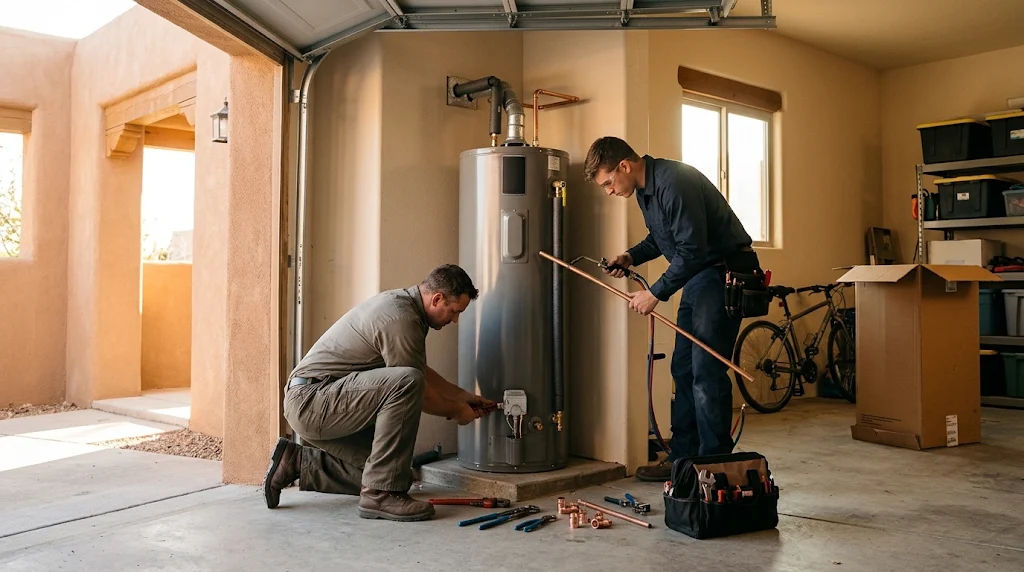
Water Heater Installation Albuquerque NM involves several important stages, including evaluating household hot water requirements, selecting the right equipment, preparing the installation area, connecting the necessary plumbing and energy supplies, and testing the completed system. Each stage contributes to the safety, efficiency, and long-term performance of the water heater.
In Albuquerque, New Mexico, homeowners must also consider local climate conditions, household water usage, available energy sources, and applicable building requirements. Professional installation helps ensure that the equipment is appropriate for the property and operates according to manufacturer instructions and local regulations.
This comprehensive guide explains how water heater installation works, what homeowners can expect during the process, which systems are available, and how to maintain a newly installed unit.
Water Heater Installation Process
Water heater installation is more than simply placing a new appliance in a convenient location. It requires careful planning, appropriate equipment, compatible plumbing connections, and safety checks.
The process usually begins with an assessment of the existing system. A qualified plumbing professional examines the current water heater, its connections, available space, and household requirements.
Based on this evaluation, the installer recommends an appropriate replacement or new installation.
Initial Home Assessment
The first stage involves understanding the property's hot water requirements.
A professional may consider the number of people living in the home, the number of bathrooms, the kitchen facilities, and the frequency of hot water usage. These details help determine the capacity and type of water heater needed.
For example, a small household may require a different system from a large family that regularly uses multiple showers and appliances.
The installer also examines the existing plumbing arrangement, electrical connections, gas supply where applicable, and ventilation requirements.
During Water Heater Installation Albuquerque NM, this assessment is particularly important because different properties may have different plumbing configurations and energy requirements.
Choosing the Right Installation Location
The location of a water heater affects its accessibility, maintenance requirements, and overall safety.
Traditional storage water heaters are commonly installed in utility rooms, garages, basements, or designated indoor spaces. Tankless systems may offer more flexible placement options, depending on their ventilation and utility requirements.
The installer checks whether the selected location provides adequate clearance, proper ventilation where necessary, and suitable access for future servicing.
The surrounding area should also meet manufacturer requirements for moisture protection and safe equipment operation.
Different Types of Water Heaters Available
Before beginning installation, homeowners should understand the main water heater options. Each type has different operating characteristics, installation requirements, and maintenance considerations.
Traditional Tank Water Heaters
<PRIVATE_PERSON>
Traditional tank water heaters store a specific quantity of heated water in an insulated container.
These systems heat water using electricity or natural gas, depending on the model. When someone opens a hot water tap, heated water travels from the storage tank through the household plumbing system.
One advantage of a traditional tank system is its straightforward operating design. Many homes already have the necessary plumbing connections for this equipment, making replacement relatively convenient.
However, the available hot water depends on tank capacity. Once the stored supply is used, the system needs time to heat additional water.
Homeowners considering Water Heater Installation Albuquerque NM may find traditional tank systems suitable when they want a familiar design and predictable storage capacity.
Tankless Water Heaters
Tankless water heaters operate differently from traditional storage models.
Instead of maintaining a large quantity of heated water, these systems heat water as it passes through the appliance. When a hot water tap opens, the unit activates and heats the incoming water.
Tankless systems can provide continuous hot water within their rated flow capacity. They also eliminate the need for a large storage tank.
Nevertheless, their installation requirements can be more complicated. Some models may require upgraded gas lines, electrical connections, or specialized venting.
The installer must determine whether the property's existing utilities can support the selected model.
Heat Pump Water Heaters
Heat pump water heaters use heat from the surrounding air to warm stored water.
Rather than generating all the heat directly through conventional electric resistance elements, they transfer existing heat into the water tank.
These systems can offer energy-efficiency advantages under suitable operating conditions.
However, they require appropriate installation space, airflow, and temperature conditions. Homeowners should also consider their equipment's operating specifications and the climate of the installation location.
Electric and Gas Water Heaters
Electric water heaters use heating elements to increase water temperature. They are often suitable for homes with appropriate electrical capacity and compatible plumbing arrangements.
Gas water heaters use natural gas or another approved fuel to heat water. They require suitable fuel connections and properly designed ventilation arrangements.
Choosing between these systems depends on utility availability, household preferences, operating costs, and installation requirements.
A professional can compare the available options during Water Heater Installation Albuquerque NM and recommend equipment that fits the property's existing infrastructure.
How Professional Water Heater Installation Albuquerque NM Works
Once homeowners select an appropriate system, the actual installation process can begin.
Although the exact procedure varies according to the appliance, most professional installations follow several important stages.
Step 1: Preparing the Installation Area
Before installing new equipment, the professional prepares the designated location.
This may involve examining the floor, checking surrounding plumbing connections, confirming available clearances, and ensuring that the selected location meets the manufacturer's requirements.
If an existing water heater is being replaced, the installer also evaluates whether the current connections can safely support the new model.
Any necessary modifications are identified before installation proceeds.
Proper preparation helps prevent avoidable complications and supports a more organized installation.
Step 2: Removing the Existing Water Heater
When replacing an old appliance, the existing system must be removed.
A qualified professional handles the necessary utility isolation, disconnection, and equipment removal according to applicable safety procedures.
The installer also examines the surrounding area for signs of corrosion, moisture damage, or deterioration.
Old equipment must be disposed of appropriately rather than left in an unsuitable location.
If the existing plumbing connections are damaged or outdated, repairs may be necessary before the new unit can be installed.
Step 3: Positioning the New Equipment
The new water heater is placed in the approved installation location.
The installer checks that the appliance is properly supported, positioned, and accessible.
For tank-style systems, the supporting surface must meet the equipment's weight and installation requirements.
Tankless units require suitable mounting arrangements and appropriate clearances.
During Water Heater Installation Albuquerque NM, correct positioning is important because an improperly installed appliance may create maintenance difficulties or affect its operation.
Step 4: Connecting the Plumbing System
The next stage involves connecting the water heater to the household plumbing system.
The installer identifies the appropriate cold-water inlet and hot-water outlet connections.
The plumbing connections must be compatible with the appliance and meet applicable installation standards.
Additional components, such as approved shutoff valves, temperature and pressure relief equipment, and expansion-control devices, may be required depending on the system and local conditions.
Professional installation helps ensure that the connections are properly configured and that the system can deliver hot water throughout the property.
Step 5: Connecting the Energy Supply
The energy connection depends on the type of water heater.
Electric models require compatible electrical connections and adequate circuit capacity. Gas models require approved fuel connections and appropriate ventilation.
These connections must follow manufacturer specifications and applicable safety codes.
Electrical and gas work should be completed by appropriately qualified professionals. Homeowners should not attempt to modify these utility connections independently.
The purpose of this stage is to ensure that the appliance receives the correct energy supply without creating unnecessary safety risks.
Step 6: Testing the New System
After installation, the professional performs a series of checks.
These checks may include examining plumbing connections, confirming proper drainage arrangements, checking for leaks, and verifying that the equipment operates as intended.
For gas models, the installer also verifies appropriate combustion and venting conditions.
For electric models, electrical operation and relevant safety controls are checked.
The professional confirms that the system heats water correctly and that its temperature settings comply with manufacturer recommendations and applicable safety guidance.
Testing is an essential part of Water Heater Installation Albuquerque NM because it helps identify installation problems before the appliance enters regular household use.
Why Albuquerque Homeowners Should Consider Local Conditions
Albuquerque has environmental and property-related characteristics that can influence water heater selection and installation.
Considering these factors can help homeowners choose equipment that performs reliably over time.
Understanding Albuquerque's Climate
Albuquerque experiences a generally dry climate, with warm summers and relatively cold winter conditions.
Seasonal temperature changes can affect incoming water temperatures and the operating demands placed on water heating equipment.
For example, incoming water may be colder during winter than during warmer months. This can influence the amount of energy needed to reach the desired hot water temperature.
The installation professional should consider these seasonal differences when evaluating system capacity and performance.
Considering Local Water Quality
Water quality is another important consideration.
Mineral content in water can contribute to sediment accumulation and mineral deposits inside certain water heaters.
Over time, these deposits may affect heating efficiency, reduce available tank capacity, and increase maintenance requirements.
Homeowners should ask their installer whether their water heater requires particular maintenance arrangements based on local water conditions.
Depending on the property's water characteristics, appropriate filtration or treatment equipment may also be worth discussing.
Evaluating Household Energy Requirements
Different Albuquerque properties have different energy arrangements.
Some homes rely on natural gas, while others use electricity for water heating.
The availability and cost of these energy sources can influence the long-term suitability of different appliances.
A professional should compare equipment efficiency, installation expenses, and expected household consumption before recommending a system.
What Factors Affect Water Heater Installation Costs?
Installation costs vary because every property and water heater system has different requirements.
Understanding the main cost factors helps homeowners prepare a realistic budget.
Type of Water Heater
The appliance itself represents an important part of the overall expense.
Traditional tank models, tankless systems, and heat pump water heaters have different purchase prices and installation requirements.
Tankless systems, for example, may require additional ventilation or utility modifications.
Heat pump models may require suitable space and airflow arrangements.
Equipment Capacity
Water heater capacity affects the equipment selected for a property.
A larger household may require a system with greater storage capacity or a higher hot water delivery rate.
Selecting an appliance that is too small can lead to insufficient hot water during busy periods.
However, choosing an unnecessarily large system may increase purchase and operating expenses.
Professional sizing helps balance household demand and equipment efficiency.
Plumbing and Utility Modifications
Some installations can use existing connections, while others require additional work.
Older properties may need plumbing improvements, electrical upgrades, or gas supply modifications.
The installation location may also require changes to ventilation or drainage arrangements.
These additional requirements can affect the overall project budget.
Permits and Inspection Requirements
Local regulations may require permits or inspections for certain water heater installations.
Requirements can depend on the property, equipment type, fuel source, and scope of work.
Homeowners should confirm applicable requirements with the City of Albuquerque or the relevant local authority.
A qualified contractor can explain which approvals are necessary and whether inspections must be arranged.
How Long Does Water Heater Installation Take?
Installation time depends on the complexity of the project.
A straightforward replacement may take several hours when the existing connections are compatible and the new appliance has similar requirements.
More complicated installations can take longer.
For example, switching from a traditional storage water heater to a tankless model may require additional utility work, ventilation changes, or plumbing modifications.
Other factors include equipment availability, installation access, permit requirements, and unexpected problems discovered during the assessment.
During Water Heater Installation Albuquerque NM, homeowners should ask the contractor for a realistic schedule before work begins.
The contractor should also explain when the hot water supply is expected to become available again.
Signs That Your Existing Water Heater Needs Replacement
Recognizing the warning signs of an aging or malfunctioning water heater can help homeowners arrange professional assistance before a complete system failure occurs.
Inconsistent Water Temperature
If water frequently changes temperature or fails to become sufficiently warm, the appliance may have a malfunctioning component or capacity problem.
The cause could involve heating elements, thermostats, sediment buildup, or another internal issue.
A professional inspection can determine whether repair or replacement is appropriate.
Unusual Noises
Some water heaters produce noises as part of normal operation.
However, unusual popping, rumbling, or banging sounds may indicate sediment accumulation or another operating problem.
These sounds should be evaluated rather than ignored.
Visible Leaks or Moisture
Moisture around a water heater should always receive attention.
Leaks may originate from plumbing connections, valves, or the storage tank itself.
If the tank has developed a significant leak, replacement may be necessary.
Increasing Energy Consumption
A noticeable increase in water heating energy use may indicate that the appliance is becoming less efficient.
Sediment accumulation, deteriorating components, and aging equipment can contribute to higher operating costs.
A professional can inspect the system and recommend appropriate improvements.
How to Choose a Water Heater Installation Professional
Selecting the right contractor is an important part of achieving a reliable installation.
Homeowners should evaluate experience, qualifications, communication, and service standards before making a decision.
Verify Licensing and Insurance
Always check whether the contractor has the appropriate licensing and insurance for the work being performed in New Mexico.
Qualified professionals should understand relevant plumbing requirements and safety standards.
Insurance also provides important protection when contractors perform work on residential properties.
Ask About Installation Experience
Different water heater systems have different installation requirements.
A contractor experienced with traditional tank models may not necessarily have the same level of experience with tankless or heat pump systems.
Ask whether the professional regularly installs the equipment being considered.
Experience with similar properties can also be valuable.
Request a Written Estimate
A detailed written estimate helps homeowners understand the expected project expenses.
It should explain the equipment being supplied, labor charges, potential additional work, and any applicable permit or inspection expenses.
The contractor should also clarify whether removing and disposing of the old appliance is included.
Review Warranty Information
Water heaters commonly include manufacturer warranty coverage, although the terms vary by model.
Installation workmanship may also have separate warranty provisions.
Homeowners should understand the warranty duration, coverage limitations, registration requirements, and maintenance recommendations.
Maintaining a Newly Installed Water Heater
Proper maintenance helps protect the equipment and supports reliable performance.
Although maintenance requirements vary by model, several general practices can help homeowners care for their systems.
Schedule Professional Inspections
Periodic inspections help identify developing problems before they become more serious.
A professional can examine plumbing connections, safety components, operating performance, and visible signs of deterioration.
The recommended inspection frequency depends on the manufacturer's guidance and the equipment's operating conditions.
Monitor Water Temperature
Homeowners should follow manufacturer recommendations and appropriate safety guidance when selecting water temperature settings.
Water that is excessively hot can create a scalding risk, particularly for children and older adults.
A professional can help establish suitable settings and verify that the system's temperature controls work correctly.
Address Sediment and Mineral Buildup
Storage water heaters may accumulate sediment over time.
The appropriate maintenance approach depends on the appliance design and local water conditions.
Homeowners should follow the manufacturer's instructions and arrange professional maintenance when needed.
Keep the Installation Area Accessible
The surrounding area should remain clear enough for inspection and servicing.
Avoid storing unnecessary items around the appliance, particularly where they could obstruct ventilation, access panels, or required safety clearances.
Good housekeeping makes future maintenance easier and supports safe operation.
Common Water Heater Installation Mistakes to Avoid
Poor installation decisions can affect equipment performance, safety, and operating expenses.
Understanding common mistakes helps homeowners make better choices.
Selecting the Wrong System Size
Choosing a water heater based only on its purchase price can result in an unsuitable system.
An undersized appliance may struggle to meet household demand, while an oversized unit may increase unnecessary expenses.
The correct choice should reflect actual hot water requirements.
Ignoring Manufacturer Instructions
Every water heater has specific installation and operating requirements.
Ignoring these instructions can affect safety, performance, and warranty coverage.
Professional installers should follow the equipment manufacturer's specifications throughout the project.
Overlooking Ventilation Requirements
Gas-powered water heaters require appropriate combustion air and exhaust arrangements.
Incorrect ventilation can create serious safety concerns.
The installation must follow the manufacturer's requirements and applicable building and fuel-gas codes.
Skipping Post-Installation Testing
A newly installed appliance should never be assumed to be functioning correctly without appropriate testing.
Professional verification helps confirm that the equipment heats water, operates properly, and has secure utility connections.
Benefits of Professional Water Heater Installation Albuquerque NM
Professional installation offers several advantages for homeowners who want dependable hot water and long-term equipment performance.
First, an experienced installer can recommend a suitable system based on household requirements.
Second, professional work helps ensure that plumbing, electrical, gas, and ventilation connections meet applicable standards.
Third, correct installation can reduce the likelihood of avoidable operating problems.
Another important advantage is access to professional guidance. Homeowners can learn how to operate their equipment, recognize warning signs, and follow the recommended maintenance schedule.
Professional Water Heater Installation Albuquerque NM also provides an opportunity to evaluate whether the existing household plumbing system needs improvements.
These benefits make professional installation a practical investment in household convenience and equipment reliability.
Conclusion
Understanding how water heater installation works allows Albuquerque homeowners to make better decisions about their household plumbing systems. From choosing an appropriate appliance to preparing the installation location and checking the completed equipment, every stage contributes to reliable hot water delivery.
The process generally begins with a professional assessment of household demand, existing plumbing, available utilities, and installation requirements. Homeowners can then select between traditional tank systems, tankless models, electric units, gas appliances, and heat pump water heaters according to their property and preferences.
Water Heater Installation Albuquerque NM requires particular attention to local climate conditions, water quality, energy availability, and applicable building regulations. These considerations help determine which system is suitable and what modifications may be necessary.
Professional installation is important because water heaters involve plumbing connections, electrical or gas supplies, temperature controls, and other safety-related components. Qualified contractors can evaluate these requirements, complete the installation, and test the equipment before regular use.
Homeowners should also remember that installation is only the beginning of responsible water heater ownership. Regular inspections, appropriate maintenance, temperature monitoring, and attention to unusual noises or leaks can help maintain dependable performance.
Ultimately, choosing the right appliance and working with a qualified installation professional can improve household comfort and provide a more reliable hot water supply. With careful planning and proper maintenance, Albuquerque homeowners can make an informed investment in a water heating system that meets their needs for years to come.