
Old habits that cost more than parts
Have you ever seen a neat plan turn into a pile of parts on day two? I write about this after more than 15 years working with installers and supply teams, and I often start my sessions with solar installation training to set the tone. During a solar installation on a Phuket factory in March 2019, the inverter failed twice in six months, cutting output by 14% — who pays the repair and lost energy? I remember that site clearly: 50 kW rooftop, cheap mounting rails, mismatched PV module wiring; the owner lost trust fast. I say this plainly: many teams follow checklists, but checklists miss the deep problems (and yes, I am direct about it).
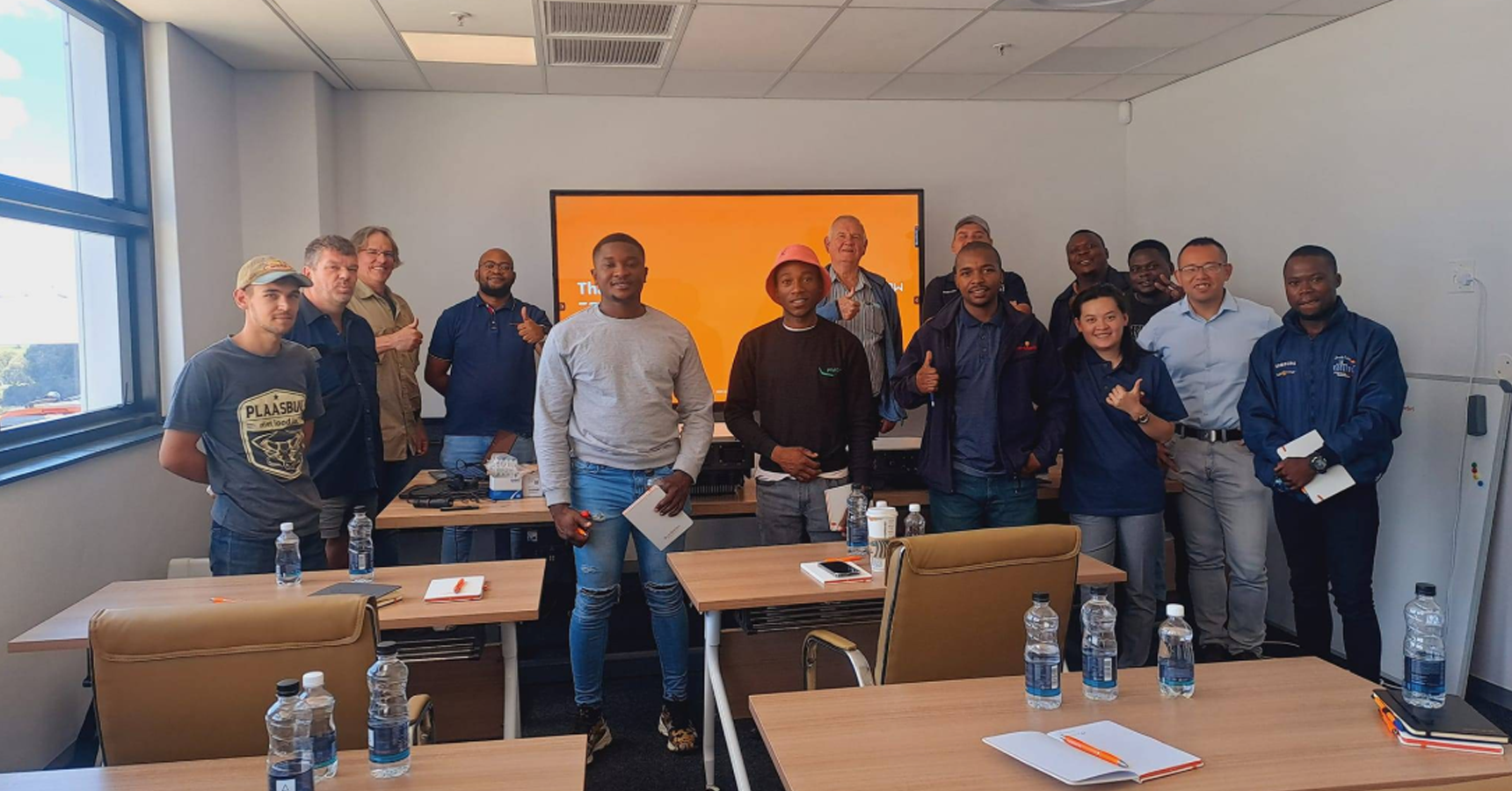
I taught 24 installers at a Bangkok warehouse in June 2020 and saw the same pattern — wrong torque, loose DC isolator connections, panels moved after wind. I can point to the technical shortcomings: installers trained only on part assembly, not on real-world tolerances or site survey. I often tell trainees about a March job in Chiang Mai where a small misalignment cost three days of rework—because no one tested string voltage under shade. That kind of detail shows where traditional training fails, and why rework becomes the silent cost for wholesale buyers and contractors. This section leads to where we must change next.
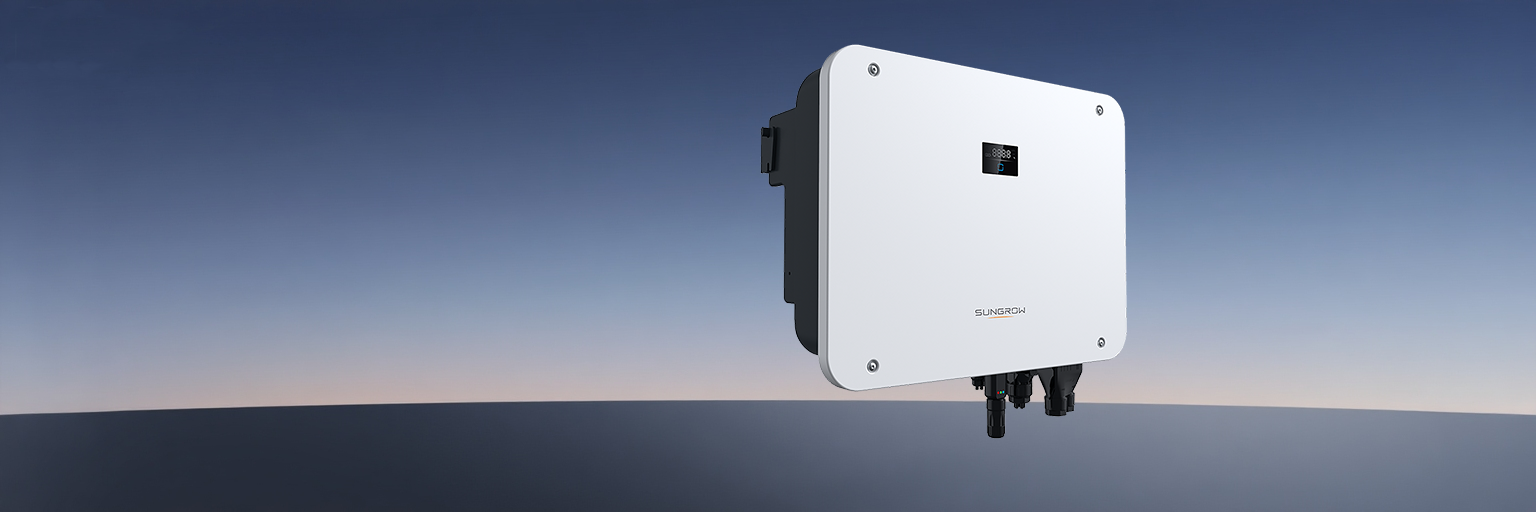
What usually breaks?
Training that prevents the repeat mistakes
Good training saves money — that is not theory, it’s measurable. I began running practical modules after a Rayong audit in 2021 where teams had no torque wrenches; failures followed soon after. We redesigned modules to include hands-on fault finding, PV module mismatch handling, and inverter commissioning steps — and we measured a 60% drop in call-backs over six months. I now include solar installation training in every RFP I advise on, because training reduces warranty exposure and speeds up commissioning. We focus on real skills: correct mounting rails installation, proper DC isolator routing, and simple string testing routines.
I speak from doing: I supervised a 100 kW commercial install in 2018 (Bangkok, May) where we documented every torque value and photoed each rail clamp — later that documentation saved a dispute. When I train, I bring the tools and the mistakes: I show what loose clamps look like, I let people trace a failed inverter and find the bad section. These exercises are practical, not theoretical. Now — and this is important — if you evaluate a provider, look for three clear metrics: 1) measured reduction in rework rates after training, 2) hands-on hours per trainee (not just slides), 3) documented commissioning checklist with photos. These three metrics tell you who will actually reduce cost and downtime. I finish by noting one more thing — training is not a box to tick; it is part of procurement. For better projects, choose partners who back skill with proof. sungrow