
Finding a user name in Sim Information can feel confusing, especially when different devices and networks store data in different ways. Many people look for the user name because they want to verify ownership, confirm identity, secure their phone, or understand what their SIM card truly contains.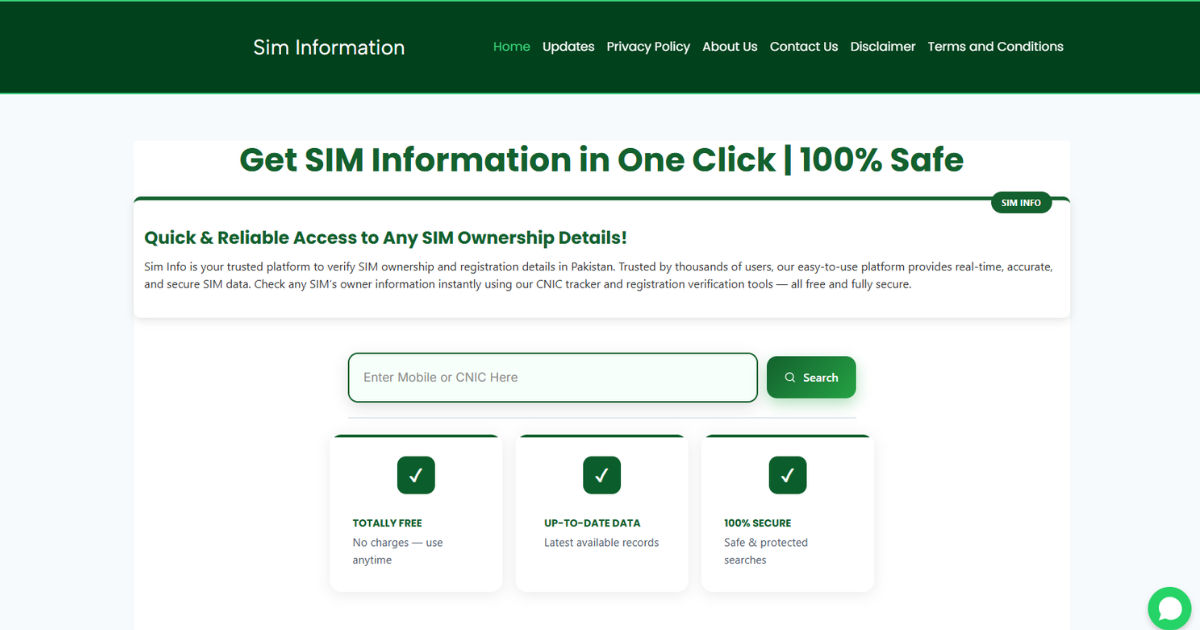
The term Sim Information often refers to a bundle of details stored on a SIM card—such as the ICCID number, IMSI number, network codes, phone number, and sometimes user-related records. However, the user name itself is not always clearly labeled, which leads to frustration.
This comprehensive guide explains everything you need to know about how to find the user name inside Sim Information, what is possible, what is not, and how to access your data safely. The goal is to offer a clear, readable, step‑by‑step approach for anyone who wants to understand Sim Information at a deeper level.
Understanding What Sim Information Contains
Before you learn how to extract the user name from Sim Information, you need a basic understanding of what data is actually stored on your SIM card. The phrase Sim Information usually refers to a set of identifiers and network-related details that help your mobile carrier manage your service. Some people think the SIM card stores complete identity details, but in reality, it stores only a limited profile.
Common Elements Stored in Sim Information
-
ICCID (Integrated Circuit Card Identifier)
-
IMSI (International Mobile Subscriber Identity)
-
Phone number (MSISDN)
-
Network codes
-
Service provider details
-
Optional contact list entries
-
Authentication keys
-
Device pairing details
While the structure of Sim Information varies by carrier and device, the user name—if available—may appear under labels like “Owner Name,” “SIM Owner,” “User Label,” “Profile,” or “Custom Name.” Some SIM cards do not store names at all, while others allow manual editing.
Why User Name Isn’t Always Visible in Sim Information
Many people are surprised to learn that user names are not universally included inside Sim Information. This depends on your carrier’s system, your phone model, and the SIM version. Older SIM cards sometimes allowed the manual addition of names through a SIM Toolkit app. Newer SIM cards focus more on authentication than storing personal notes.
If you cannot find a user name in your Sim Information, it does not mean your SIM card is faulty. It simply means the SIM does not support storing that layer of user identity.
Places Where User Name Usually Appears in Sim Information
Although not guaranteed, there are several common places where you may find a stored or referenced user name inside your Sim Information. Understanding these locations helps you navigate your phone more confidently.
1. Sim Toolkit App
Most carriers install a SIM Toolkit app automatically. This app may display sections such as:
-
My Account
-
Owner Details
-
SIM Profile
-
User Info
If your SIM supports names, you may find the user name under one of these menu sections. The SIM Toolkit interacts directly with Sim Information, so it is often the first place to check.
2. Phone Settings
Both Android and iOS devices allow users to view certain parts of their Sim Information. While the menu labels differ depending on the device, checking these sections can help:
Android
Go to:
Settings → About Phone → Status → SIM Status
You may find:
-
Network name
-
Service state
-
SIM card name (editable on some devices)
-
Owner info (if supported)
Some Android phones allow you to edit this SIM name. Although this may not be the official carrier-stored name, it still becomes part of your visible Sim Information.
iOS (iPhone)
Go to:
Settings → General → About → Primary (or SIM Name)
iPhones typically do not store personal names inside Sim Information, but they allow renaming the SIM label, which some people mistake for a user name.
3. Carrier Account or Web Portal
Some carriers do not store names directly on the SIM card. Instead, they link your Sim Information to your online customer account. If so, the user name is visible only from:
-
Carrier website
-
Carrier mobile app
-
Customer support records
In this case, the name is associated with your service profile, not the physical SIM card.
4. Contact List Stored on SIM
Older SIM cards allowed saving contacts directly on the SIM. If the first entry is saved as “Me,” “Owner,” or your name, some users interpret this as part of their Sim Information. Though technically part of the SIM memory, it is not a system-level user name.
Step-by-Step Guide to Finding User Name in Sim Information
Now that you understand where user name data may appear, let’s go through a simple step‑by‑step method.
Step 1: Open Your Sim Toolkit
-
Locate the SIM Toolkit app on your phone.
-
Explore menus like “Services,” “Owner,” “My Info,” or “SIM Profile.”
-
Check for any editable or stored data linked to Sim Information, including names.
Step 2: Check the SIM Status in Phone Settings
Android and iPhone settings allow partial access to Sim Information. Look for entries where the user name might be embedded.
Step 3: View Sim Information Through a Dedicated App
Several apps allow you to read Sim Information more deeply. These apps can show:
-
ICCID
-
IMSI
-
Carrier name
-
SIM serial
-
Custom labels
Apps cannot create data that does not exist, but they can reveal hidden fields your normal settings may not display.
Step 4: Insert the SIM Into Another Device
Some devices, especially feature phones and older models, show more of the stored Sim Information. Insert your SIM into a secondary device and check menus like:
-
SIM Services
-
SIM Contacts
-
Owner Settings
This sometimes reveals names that smartphones hide.
Step 5: Contact Customer Support
If the user name is managed at the carrier level instead of stored on the SIM, customer support can confirm whether a name is attached to your line. They may verify your identity before sharing details. While this is not direct Sim Information, it is still linked to your SIM-based service profile.
Editing or Adding a User Name in Sim Information
Some SIM cards allow user-added names. If your carrier or phone model supports it, follow these methods:
Method 1: Through Sim Toolkit
-
Open SIM Toolkit
-
Search for “Edit Info,” “My Name,” or similar options
-
Add or modify a name
-
Save to update Sim Information
Method 2: Through Phone Settings
Some Android phones allow you to rename your SIM:
-
Go to SIM settings
-
Tap “Edit SIM Name”
-
Choose your preferred custom name
This does not store a real system-level user name but it becomes part of visible Sim Information.
Method 3: Using SIM Manager Tools
Technicians sometimes use SIM readers to edit internal SIM files. This method is advanced and not recommended for casual users. It may void carrier agreements or damage the SIM.
What to Do If User Name Is Missing in Sim Information
If you cannot find your name anywhere inside your Sim Information, there are a few logical explanations:
-
Your SIM card does not support storing user names
-
Your carrier stores identity data only in online systems
-
Your phone hides those fields
-
The SIM memory is limited
-
You are using an eSIM, which stores less local user detail
In these cases, you simply won’t be able to retrieve a user name because the Sim Information does not contain one.
Security Considerations When Viewing Sim Information
Accessing Sim Information seems harmless, but you should take precautions. The identifiers inside your SIM are sensitive and can be misused if exposed. For example, the IMSI and ICCID are critical to network authentication. Your user name—if stored—may also reveal personal details.
Keep These Tips in Mind
-
Do not share screenshots of your Sim Information online
-
Avoid installing suspicious apps that request SIM access
-
Ensure Bluetooth and NFC are off when viewing sensitive data
-
Do not allow strangers to insert your SIM into unknown devices
-
Regularly update your phone’s software
Your Sim Information is an essential part of your digital identity, and protecting it is just as important as accessing it.
Differences Between Physical SIM and eSIM
Because many people now use eSIM, understanding their differences helps you know what to expect when searching for user names.
Physical SIM
-
Stores more editable fields
-
Sometimes includes spaces for names
-
Works in a broader range of devices
-
Easier to inspect directly
eSIM
-
Data is mostly carrier-managed
-
Limited visible Sim Information
-
Usually does not support custom user names
-
Designed for security rather than personalization
If you use an eSIM, you should expect to find far less editable Sim Information, including no traditional user name.
Troubleshooting Common Problems
Here are typical issues people face and the simplest solutions:
Problem 1: Cannot Find SIM Toolkit
Solution:
Search “SIM”, check app drawers, or ask your carrier.
Problem 2: SIM Status Shows Only Network Info
Solution:
Your device may hide detailed Sim Information; try another device or third‑party app.
Problem 3: No User Name Found
Solution:
Your SIM doesn’t store names. This is common and not an error.
Problem 4: Cannot Edit SIM Name
Solution:
Try SIM settings or use an older device that supports editing Sim Information.
Problem 5: eSIM Won’t Show Extra Fields
Solution:
eSIMs rarely store names; rely on carrier account instead.
Best Practices for Managing Sim Information
If you want to keep your Sim Information organized and secure, follow these best practices:
-
Always keep your SIM locked with a PIN
-
Avoid swapping SIMs frequently
-
Maintain updated carrier details
-
Keep a backup of important SMS or contacts (not all SIMs store them)
-
Periodically review your Sim Information for accuracy
These practices keep your SIM secure while giving you better control over your data.
Conclusion
Finding the user name in Sim Information may seem complicated, but the process becomes simple once you understand what SIM data really contains. A SIM card stores identifiers like ICCID, IMSI, and network information, but not every SIM stores a user name. Some phones display a user name under custom fields, while others hide it completely. The SIM Toolkit, device settings, secondary phones, and carrier portals are the primary ways to access this information.
It’s important to remember that Sim Information varies by device model, SIM version, and carrier. If you cannot locate a user name, it may simply be because your SIM does not support storing one. Even when you do find editable fields, they may represent a custom label rather than an official identity record. As long as you understand these distinctions, you can navigate your Sim Information with confidence and avoid confusion.
Whether you’re verifying ownership, organizing your device, or ensuring security, knowing how to explore your Sim Information empowers you as a user. With the steps and insights in this guide, you now have everything you need to successfully locate, interpret, and manage the user name and other details stored on your SIM card.