
When it comes to electrical installations, selecting the right power cable is crucial for safety, efficiency, and durability. Whether for residential, commercial, or industrial purposes, understanding the different types of power cables helps you make informed decisions.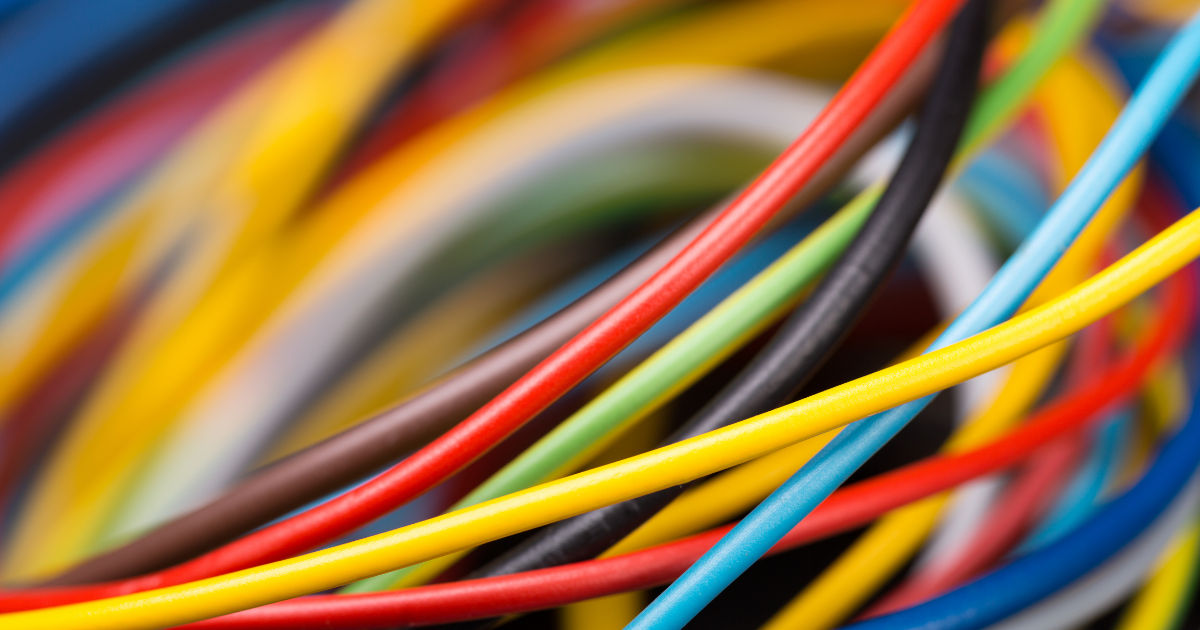
If you are sourcing these cables, a trusted Pakistan Cables Supplier can provide quality products tailored to your needs. In this comprehensive guide, we will explore the types of power cables, their applications, and what makes each one unique.
What Are Power Cables?
Power cables are electrical conductors designed to carry electricity from one point to another safely. They are made of conductive materials such as copper or aluminum, surrounded by insulating materials to prevent electrical hazards. Power cables can vary significantly in construction, voltage rating, flexibility, and intended use.
Choosing the right cable is not just about connecting devices to electricity—it’s about ensuring efficiency, reducing energy losses, and preventing potential hazards like short circuits and fires. A reliable Pakistan Cables Supplier ensures that the cables meet national and international standards for safety and performance.
Main Categories of Power Cables
Power cables can generally be categorized based on their insulation, application, and voltage rating. The primary categories include:
-
Low Voltage (LV) Cables
-
Medium Voltage (MV) Cables
-
High Voltage (HV) Cables
Each category has subtypes and specific uses, which we will explore in detail.
Low Voltage (LV) Cables
Low voltage cables are designed for applications where voltage does not exceed 1,000 volts. They are commonly used in homes, offices, and light industrial applications. LV cables are flexible, easy to install, and designed for standard power distribution.
Types of Low Voltage Cables
1. PVC Insulated Cables
PVC (Polyvinyl Chloride) insulated cables are one of the most common types of LV cables. They are cost-effective, durable, and resistant to moisture and chemicals.
Applications:
-
Household wiring
-
Lighting circuits
-
Power sockets
PVC cables are easy to handle and widely available through a reputable Pakistan Cables Supplier.
2. XLPE Insulated Cables
XLPE (Cross-Linked Polyethylene) insulation provides better heat resistance than PVC. These cables are suitable for higher current loads and long-distance transmission within low voltage applications.
Applications:
-
Industrial machinery
-
Power distribution boards
-
Electrical panels
3. Armored Cables
Armored cables have a protective metal layer around the insulation, usually made of steel wires or strips. This makes them ideal for environments where mechanical protection is required.
Applications:
-
Underground power distribution
-
Areas prone to mechanical damage
-
Outdoor installations
Medium Voltage (MV) Cables
Medium voltage cables operate in the range of 1 kV to 33 kV. They are commonly used in industrial plants, commercial complexes, and utility power networks. MV cables are stronger and more insulated than LV cables to handle higher voltages safely.
Types of Medium Voltage Cables
1. XLPE Insulated MV Cables
Similar to LV XLPE cables, these MV cables provide excellent thermal and mechanical resistance. They are often used in urban power distribution networks.
Applications:
-
Substations
-
Industrial complexes
-
Commercial buildings
2. Oil-Filled Cables
Oil-filled cables are used for medium voltage transmission where the insulation requires additional cooling. The oil inside the cable helps dissipate heat and maintains performance under heavy loads.
Applications:
-
Power transmission networks
-
High-load industrial plants
3. Paper-Insulated Cables
These are traditional MV cables insulated with layers of paper impregnated with oil or other dielectric fluids. Although older technology, they are still used in specific utility applications due to their durability and proven performance.
High Voltage (HV) Cables
High voltage cables are designed for voltages above 33 kV and are used for transmitting electricity over long distances, often from power plants to substations. They require robust insulation, shielding, and armoring to prevent electrical faults.
Types of High Voltage Cables
1. XLPE Insulated HV Cables
Modern HV cables often use XLPE insulation due to its high thermal stability and mechanical strength. They are ideal for overhead or underground transmission networks.
Applications:
-
Power plants
-
Transmission lines
-
Substations
2. Gas-Insulated Cables
Some HV cables use pressurized gas, such as SF6 (sulfur hexafluoride), as insulation. These cables are highly efficient and suitable for densely populated urban areas.
Applications:
-
Underground urban transmission
-
Critical industrial installations
3. Paper-Insulated Lead-Covered (PILC) Cables
PILC cables were once the standard for HV transmission. They are highly durable, with lead sheaths providing mechanical protection and moisture resistance.
Applications:
-
Utility networks
-
Long-distance power transmission
Special Types of Power Cables
Beyond standard LV, MV, and HV cables, several specialized cables serve niche purposes.
1. Flexible Cables
Flexible cables are designed for applications requiring frequent movement, such as machinery or portable devices. They use stranded conductors and softer insulation for maximum flexibility.
Applications:
-
Industrial equipment
-
Extension cords
-
Temporary power supply
2. Fire-Resistant Cables
Fire-resistant cables maintain circuit integrity during a fire, ensuring critical systems like alarms and emergency lighting continue to function.
Applications:
-
Hospitals
-
High-rise buildings
-
Emergency systems
3. Underground Cables
Underground cables are armored and insulated to withstand environmental stress, moisture, and mechanical damage.
Applications:
-
City power distribution
-
Industrial plants
-
Suburban housing networks
Key Factors to Consider When Choosing a Power Cable
Selecting the right cable is essential for safety, efficiency, and longevity. Here are the key factors:
1. Voltage Rating
Always choose a cable that matches or exceeds the voltage of the system. Using a lower-rated cable can cause overheating and failures.
2. Current Carrying Capacity
The cable must be able to handle the electrical load without excessive heating. Manufacturers and suppliers, like a trusted Pakistan Cables Supplier, provide charts to select the correct size.
3. Insulation Material
PVC, XLPE, and rubber are common insulation materials. Choose according to temperature, flexibility, and environmental exposure.
4. Mechanical Protection
Armored cables are essential in areas prone to mechanical damage or harsh environments.
5. Environmental Factors
Cables exposed to moisture, chemicals, or direct sunlight require specific types of insulation to maintain performance and safety.
How a Pakistan Cables Supplier Can Help
Choosing the right supplier is as important as selecting the right cable. A reliable Pakistan Cables Supplier ensures:
-
Access to high-quality cables from reputable manufacturers
-
Compliance with national and international safety standards
-
Expert guidance for cable selection based on application
-
After-sales support and warranty services
Working with a trusted supplier reduces the risk of electrical faults and improves overall system efficiency.
Installation Tips for Power Cables
Proper installation is crucial to ensure the safety and longevity of power cables. Some best practices include:
-
Avoid Sharp Bends – Excessive bending can damage insulation and reduce cable lifespan.
-
Secure Properly – Use clips or cable trays to prevent sagging or movement.
-
Follow Manufacturer Guidelines – Voltage ratings, spacing, and temperature limits must be adhered to.
-
Test Before Use – Conduct insulation resistance and continuity tests before energizing the system.
Common Mistakes in Power Cable Usage
Even high-quality cables can fail if used incorrectly. Common mistakes include:
-
Using cables with insufficient current rating
-
Over-bending or improper routing
-
Ignoring environmental conditions like moisture or heat
-
Not using proper connectors or terminations
Avoiding these mistakes ensures safety and optimal performance.
Conclusion
Understanding the different types of power cables is essential for anyone dealing with electrical systems. Low voltage cables are ideal for homes and offices, medium voltage cables suit industrial and commercial setups, and high voltage cables are used for long-distance power transmission. Specialized cables such as fire-resistant, flexible, and underground cables cater to niche requirements.
Selecting the right cable involves evaluating voltage, current, insulation, mechanical protection, and environmental factors. Partnering with a reliable Pakistan Cables Supplier guarantees access to quality products, expert advice, and compliance with safety standards. Proper installation and maintenance further ensure efficiency, durability, and safety for all electrical systems.
By understanding these cables, their types, and applications, you can make informed decisions that protect your electrical investments and ensure the safety of your infrastructure.