
Starting on the Line: A Quick Story, a Number, and a Why
I walked into a sunny factory down in Georgia and the crew looked beat, but proud. PV module output was steady that week. In pv module manufacturing, they were running about 4,800 panels a day with a reported 97% yield. Sounds good, right? Yet the scrap cart still filled up by noon, and a quiet 2% micro-crack rate kept creeping into field returns. Why do the numbers look fine on paper but feel wrong on the floor (y’all know that feeling)? The short answer: the bottlenecks hide where you don’t expect—between stations, inside handling steps, or in half-tuned test limits. The long answer is more useful. Let’s set the scene: operators chase alarms, a stringer runs hot, and the laminator pauses 90 seconds more than planned. That’s a full shift lost over a week—funny how that works, right?
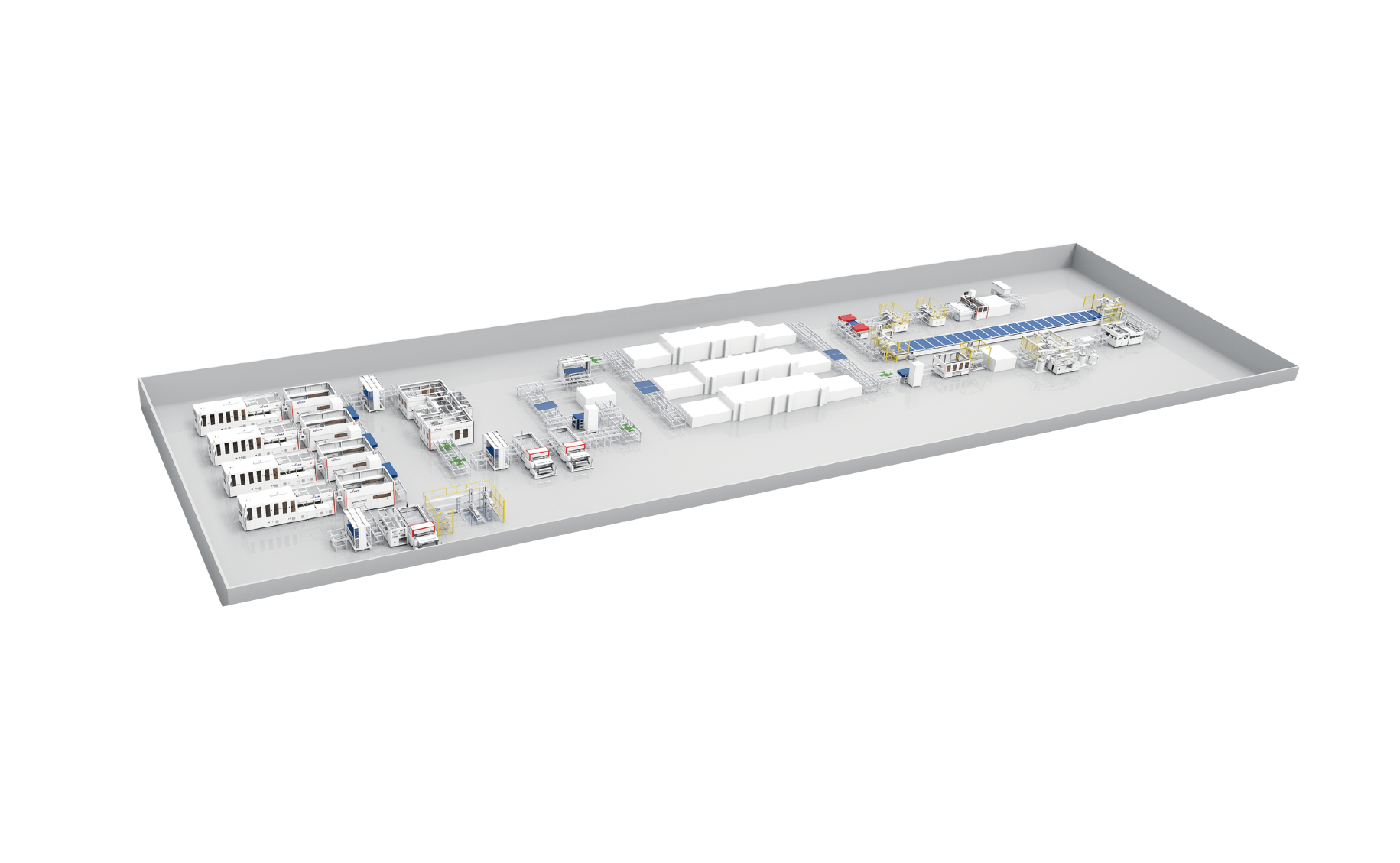
So here’s the question that matters: how do you fix what you can’t see without tearing up the whole line? That’s our trailhead. Let’s walk it and see what’s really slowing you down, then line up some practical ways to tune results without buying another building. Onward to the deeper layer.
The Deeper Layer: Why Old Fixes Miss the Real Losses
Where do legacy fixes fall short?
Let’s get technical for a moment. Traditional “patches” focus on the loud stations—stringers, laminators, testers. But the hidden losses often live in the handoffs. Busbar alignment drifts a hair after a tool change. EVA encapsulation picks up tiny voids when the pre-heat recipe changes with the weather. EL test limits get set wide to keep throughput, so micro-cracks slip through. Then field returns spike months later. Look, it’s simpler than you think: if metrology sits at the end, the line becomes a casino. You’re betting good glass on late data. A better approach moves checks forward, where they can prevent defects, not just count them.
Another trap is chasing cycle time instead of stability. You’ll see folks push the stringer one notch faster and ignore feeder drift or warped cassettes. That loads the laminator with uneven layups and costs more than it saves. A smarter fix uses tight feedback at the station level—closed-loop temperature control, real-time EL sampling, and gentle material handling to protect cells before lamination. Add a light layer of edge computing nodes for quick checks between stations, and you’ll catch the blips that ruin IV curves later. Small, steady corrections beat big swings every time. And yes, the boring stuff—fixture wear, vacuum cup choice, cable routing—can move yield a full point when it’s all aligned. Quiet wins are still wins.
Forward-Looking Moves: Principles That Make Tomorrow’s Line Pay
What’s Next
Now let’s look ahead with a practical lens. The new playbook shifts from “inspect at the end” to “predict and prevent at each hop.” In pv module manufacturing, that means three principles: distribute sensing, standardize responses, and simplify changeovers. First, distributed sensing. Place low-latency cameras and load cells between layup and lamination, and pair them with fast EL snapshots. Stream that to small station controllers—not a bulky server—so actions happen in seconds, not shifts. Second, standard responses. If foil tension drifts or busbar wetting drops, the line nudges setpoints or flags an auto-rework loop. No drama. Third, simpler changeovers. Pre-verified recipes reduce “golden run” tuning and cut scrap when you switch glass or film. The result? Faster ramps, cleaner IV curves, fewer surprises. It’s not magic—just good discipline with better timing.

There’s also a practical stack to tie it together. Use your MES to log station-level events, but keep the fastest controls local. Let metrology map EL patterns to later power converters behavior, so you can trace a weak corner back to a handling step. Compare recipes by shift and humidity, not only by day. Then test new profiles on a small batch before the whole line. You’ll see fewer reworks and smoother uptime. One more thing—keep operators in the loop with short, plain dashboards. Folks on the floor spot patterns first. Give them the right view, and they’ll fix the root cause before it spreads. That’s real-world impact, day by day.
Before we wrap, here are three simple metrics to guide any upgrade—no fluff: – First-pass yield by station, not just total line yield. – EL defect density mapped before and after lamination. – Micro-downtime under five minutes per hour, trended by tool and shift. Use those, and your choices get clearer—fast. If you follow these, you’ll cut waste, steady throughput, and raise field reliability without overspending. That’s the kind of steady progress folks respect, and it holds up when the sun’s blazing and the orders pile in. For more context and industry practice, see LEAD.