
Introduction: When Peaks Hit, What Actually Breaks?
Picture this: three inbound trucks show up early, two pickers call in sick, and the noon promo pushes orders up 42% in ten minutes. Robotics software is the only thing keeping the floor from stalling. Teams race to adjust routes and labor, and many lean on warehouse automation and software to stay steady (or at least not panic). The sensor noise, SLAM maps, and power converters don’t care that it’s Monday—machines still need clean timing and safe paths. But when all these streams collide, do you know which part of the stack actually bends first?
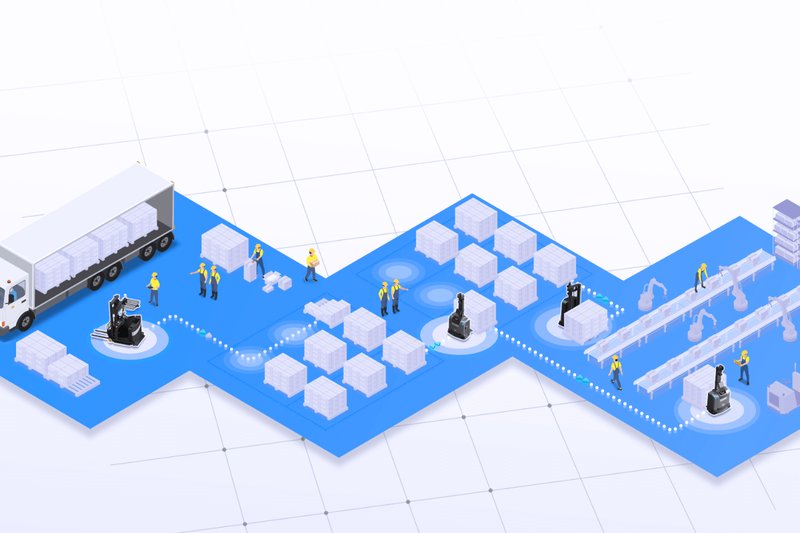
Bold take: it’s not always the robots. It’s the decisions between them. Data hops, queue limits, and handoffs. So the real question is simple: are we orchestrating the system, or just babysitting alarms? Let’s step through it and set the stage for better choices.
Why Traditional Tools Miss the Real Warehouse Pain
Where do delays really come from?
Most “proven” setups assume neat handoffs: WMS assigns, AMRs run, PLCs trigger gates, and a supervisor watches dashboards. In real life, backorders reshuffle priorities and small errors ripple. Old tools batch decisions and hide timing issues. That adds drift. Look, it’s simpler than you think: a millisecond here, a retry there, and soon your robots starve for tasks while totes pile up—funny how that works, right? The core flaw is brittle orchestration. It treats the floor as static, not as a live graph of changing queues and lanes.
Then there’s visibility. Operators see averages, not edges. They don’t see ROS 2 QoS drops between nodes. They miss clock skew across edge computing nodes, or a sticky PLC integration that only fails at shift change. And when exceptions hit, people pivot to radios and sticky notes. That’s real pain. It slows recovery, and it turns every update into a weekend project. No digital twin to test, no event-driven rules to adapt, and no shared trace to prove why something lagged. Result: long MTTR and careful, slow change—because no one wants to break the only line that’s moving.
Comparative Insight: New Principles That Change the Game
What’s Next
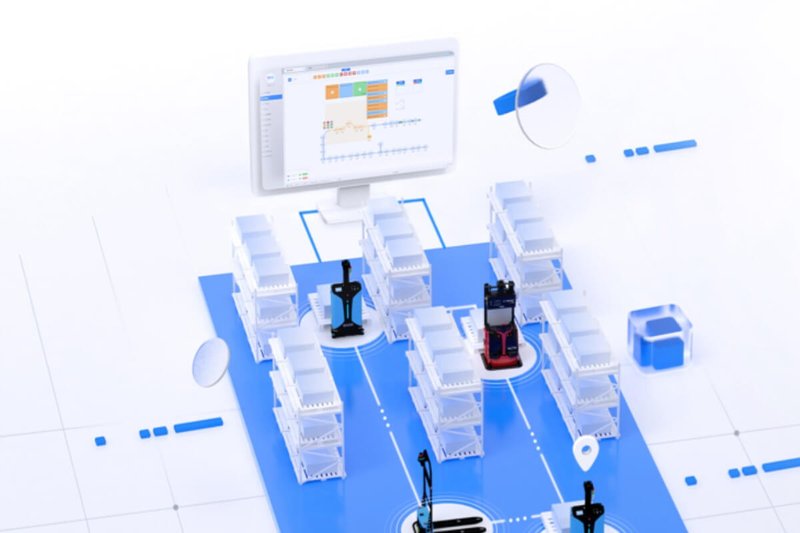
The better path starts with events, not batches. Think of warehouse automation and software as a live control fabric, not a ticket system. Event-driven orchestration watches signals in real time and updates routes per item, per robot, per aisle. Telemetry pipelines track latency and backpressure at hop-by-hop levels. And a digital twin runs shadow plans, so you can test a new policy before 3 p.m., not after midnight. The principle is simple: make small, fast decisions close to where work happens—and yes, that’s the boring but crucial part.
Compare that with legacy batching. Old flows push big updates on a schedule. New flows adapt per event, with guardrails set by safety zones and throughput goals. Add ROS 2 profiles that tune reliability, and you avoid stormy bursts. Add standardized APIs for PLC integration, and you stop fighting one-off scripts. The end state isn’t magic. It’s a calm loop: sense, decide, act, verify. Short feedback. Clear traces. And fewer hero moves when the rush hits.
Before we wrap, here’s a short, practical lens for picking systems that last: 1) Latency transparency—can you see per-hop delays and enforce QoS at the edge? 2) Change safety—can you simulate in a digital twin and roll back fast? 3) Orchestration fit—does the engine support event-driven rules and per-robot SLAs without custom glue? Choose based on these, and upgrades get safer, not scarier. Knowledge travels farther when it’s shared, and the right stack makes that normal, not rare. See how others approach it at SEER Robotics.