
Choosing the right outpatient treatment program can be overwhelming. With so many options available, it’s easy to feel lost.
An outpatient treatment program is designed to help individuals recover from addiction, mental health issues, or behavioral disorders without requiring them to stay overnight at a facility.
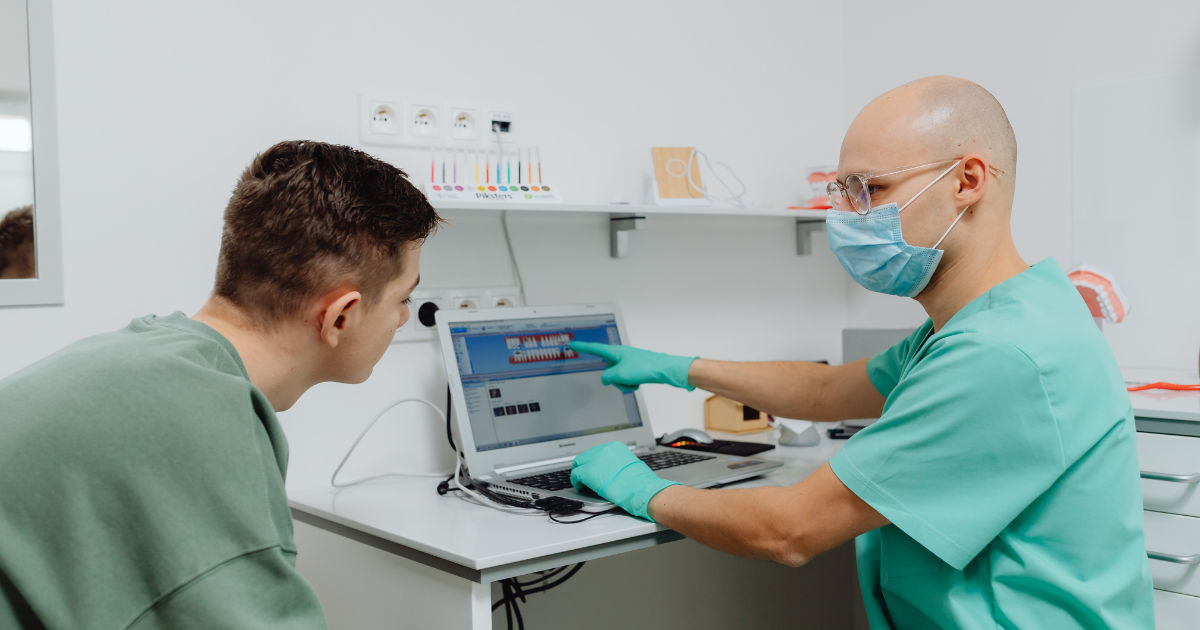
These programs provide flexibility, allowing patients to maintain their daily responsibilities while receiving professional care.
Outpatient treatment programs vary widely in structure, duration, and focus. Some are intensive, requiring multiple sessions per week, while others are more flexible, meeting only a few times a week.
Understanding these differences is crucial to finding a program that fits your lifestyle and meets your specific needs.
Benefits of Choosing an Outpatient Treatment Program
An outpatient treatment program offers several unique benefits. One of the most significant advantages is flexibility. Patients can continue working, attending school, or caring for family members while receiving care. This makes outpatient treatment programs ideal for people who cannot commit to residential treatment.
Another benefit is the ability to practice recovery skills in real-life environments. Unlike inpatient programs, which remove individuals from their daily surroundings, outpatient programs allow patients to apply what they learn in therapy directly to their everyday life. This practical application can enhance long-term recovery success.
Outpatient treatment programs also tend to be more affordable than residential programs. Because patients do not stay overnight, costs associated with room and board are eliminated. This can make treatment more accessible for many individuals seeking help.
Different Types of Outpatient Treatment Programs
Understanding the types of outpatient treatment programs available is essential to choosing the right one. Programs typically fall into three main categories: standard outpatient, intensive outpatient, and partial hospitalization programs.
Standard Outpatient Programs
Standard outpatient programs are the least intensive. They usually involve one to three sessions per week, focusing on individual therapy, group counseling, and educational sessions. These programs are suitable for individuals with mild addiction or mental health issues who do not require constant supervision.
Intensive Outpatient Programs
Intensive outpatient programs (IOPs) provide a higher level of care. They often require patients to attend sessions multiple times per week, sometimes totaling 9–20 hours. IOPs are designed for individuals with more severe addiction or mental health challenges who need consistent support but do not require inpatient care.
Partial Hospitalization Programs
Partial hospitalization programs (PHPs) are the most intensive outpatient option. Patients attend daily therapy sessions but return home at night. PHPs offer a structured environment similar to inpatient care but with the flexibility to maintain home life. This type of outpatient treatment program is ideal for those transitioning from residential treatment or experiencing acute symptoms.
Factors to Consider When Choosing an Outpatient Treatment Program
Selecting the right outpatient treatment program requires careful consideration of multiple factors. Here are the key aspects to evaluate:
Type of Treatment Offered
Different outpatient treatment programs specialize in various therapies. Some focus on cognitive-behavioral therapy, while others offer holistic approaches like yoga, meditation, or art therapy. Identify the type of treatment that aligns with your personal recovery goals.
Staff Qualifications
The qualifications of the staff can significantly impact the effectiveness of treatment. Look for programs with licensed therapists, certified addiction counselors, and experienced medical personnel. High-quality staff ensures that patients receive professional and evidence-based care.
Program Structure
Assess the structure of the outpatient treatment program. Consider the frequency of sessions, duration, and availability of individual versus group therapy. Some individuals thrive in structured environments, while others benefit from more flexible schedules.
Location and Accessibility
Convenience is critical for outpatient programs since patients need to attend sessions regularly. Choose a program that is easily accessible from home or work. This reduces the risk of missed appointments and promotes consistent participation.
Cost and Insurance Coverage
Outpatient treatment programs can vary significantly in cost. Check whether your insurance covers specific programs or if there are sliding scale options. Financial considerations are essential to ensure you can complete the program without added stress.
Family Involvement
Some outpatient treatment programs encourage family participation in therapy sessions. Family involvement can provide additional support and enhance recovery outcomes. Evaluate whether the program offers family counseling or support groups.
How to Research Outpatient Treatment Programs
Researching potential outpatient treatment programs requires thorough investigation. Start by compiling a list of local programs, then gather detailed information about each option.
Online Research
Websites and online directories can provide valuable information about outpatient treatment programs. Look for reviews, accreditation, and testimonials from previous patients. Accreditation from recognized organizations ensures the program meets established standards of care.
Consult Professionals
Reach out to medical professionals, therapists, or counselors for recommendations. Professionals can offer insights into program quality, treatment approaches, and suitability for your specific condition.
Visit the Facility
If possible, visit the outpatient treatment program in person. Touring the facility allows you to assess the environment, meet staff, and determine whether it feels comfortable and supportive.
Ask Questions
Prepare a list of questions before contacting programs. Ask about program length, therapies offered, staff credentials, and success rates. Open communication helps ensure you choose a program aligned with your needs.
Red Flags to Watch Out For
While researching outpatient treatment programs, it’s essential to be aware of red flags that may indicate low-quality care.
-
Lack of licensing or accreditation
-
Staff without proper qualifications
-
Limited or no evidence-based therapies
-
Poor patient reviews or negative testimonials
-
High-pressure sales tactics or promises of quick recovery
Avoid programs exhibiting these warning signs, as they may compromise your treatment success.
Tips for Making the Most of Your Outpatient Treatment Program
Enrolling in an outpatient treatment program is only the first step. To maximize benefits, follow these tips:
Be Consistent
Consistency is key in recovery. Attend all scheduled sessions, complete assigned homework, and actively participate in therapy.
Set Personal Goals
Work with your therapist to establish clear, achievable goals. Personal goals provide motivation and track progress throughout treatment.
Build a Support Network
Recovery is easier with a strong support system. Engage with family, friends, and peer support groups to reinforce positive changes.
Apply Skills in Daily Life
One of the advantages of outpatient treatment programs is the ability to practice recovery skills in real-life situations. Apply coping strategies, stress management techniques, and relapse prevention methods in everyday life.
Communicate Openly
Be honest with your therapist about challenges, setbacks, or progress. Open communication ensures that treatment is tailored to your evolving needs.
Questions to Ask Before Choosing an Outpatient Treatment Program
Before committing to an outpatient treatment program, ask the following questions:
-
What types of therapy are offered, and which are evidence-based?
-
What is the staff-to-patient ratio?
-
How long is the program, and can it be adjusted to my schedule?
-
Are family members encouraged to participate?
-
What follow-up or aftercare support is provided?
These questions help clarify whether the program aligns with your recovery goals and lifestyle.
Success Stories and Testimonials
Hearing success stories from individuals who have completed outpatient treatment programs can provide encouragement and insight. Testimonials often highlight the program’s strengths, such as supportive staff, effective therapies, and life-changing outcomes.
Reading these experiences can help potential patients feel confident in their choice and motivated to commit fully to treatment.
Integrating Outpatient Treatment with Daily Life
An outpatient treatment program allows patients to maintain their routines while receiving care. Integrating therapy sessions, self-care, and support meetings into daily life is essential for long-term success.
Time management is crucial. Plan your schedule to accommodate therapy sessions, work or school responsibilities, and personal downtime. Creating a balanced routine reduces stress and enhances recovery outcomes.
Aftercare and Continuing Support
Completing an outpatient treatment program does not mark the end of recovery. Aftercare and ongoing support are vital to prevent relapse and maintain progress.
Many programs offer follow-up sessions, support groups, and alumni networks. Participating in these resources ensures continued guidance, encouragement, and accountability.
Conclusion
Finding the right outpatient treatment program requires careful consideration, research, and self-reflection. By understanding the types of programs available, evaluating key factors, and asking critical questions, individuals can select a program that meets their unique needs.
Outpatient treatment programs provide the flexibility to maintain daily responsibilities while receiving professional care. They offer a range of therapies, supportive staff, and opportunities to apply recovery skills in real-life situations. Choosing a high-quality program and committing fully to the process can significantly increase the chances of long-term recovery success.
Remember, recovery is a journey, not a destination. With the right outpatient treatment program, dedication, and support, individuals can achieve meaningful and lasting change. Take the time to research, ask questions, and prioritize your well-being. Your future self will thank you for the effort you put into finding the right care.