
Access to reliable medical equipment is essential for patients who need treatment, recovery, or continuous care at home. Many families choose to rent medical devices instead of purchasing them because renting can reduce expenses and provide access to equipment for a specific period. However, one important question often comes up before making a rental decision: does the rental service include equipment installation and setup?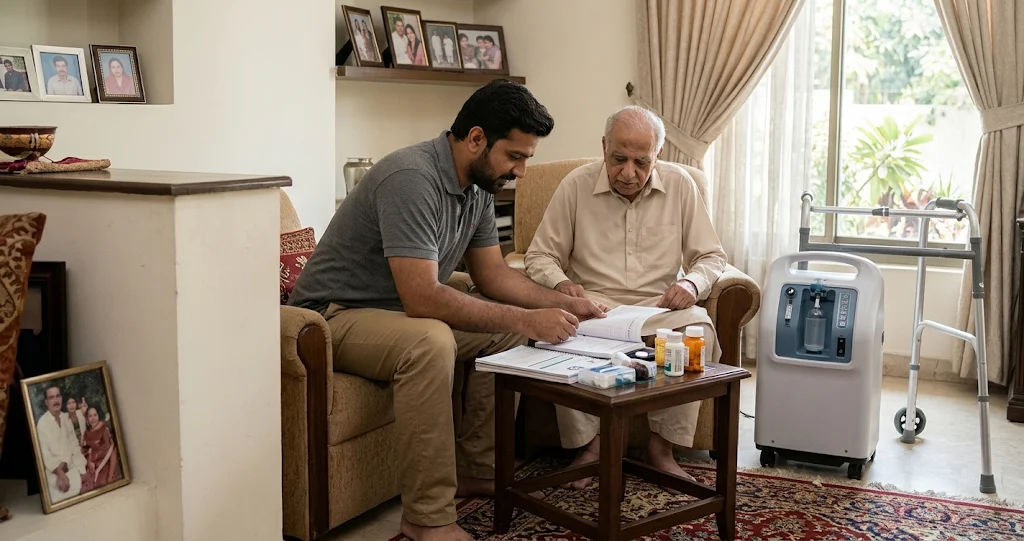
Medical Equipment Rental In Lahore can be a convenient option for families who need hospital beds, oxygen concentrators, wheelchairs, patient monitors, and other essential healthcare devices. While some rental providers offer delivery and professional installation as part of their packages, others charge additional fees for these services. Understanding what is included helps families avoid unexpected expenses and ensures that equipment is ready to use when it arrives.
The setup process is particularly important for patients who depend on medical devices for daily care. Incorrect installation, poor positioning, or a lack of operating instructions can create unnecessary difficulties. Therefore, families should understand the services provided by rental companies before confirming an order.
This comprehensive guide explains whether medical equipment rentals include setup, what installation services usually cover, which devices require professional assistance, and how to choose a dependable rental provider in Lahore.
Medical Equipment Rental Services
Medical equipment rental allows patients and caregivers to use healthcare devices for a specific period without purchasing them permanently. It is particularly useful for individuals recovering from surgery, managing temporary illnesses, or receiving long-term treatment at home.
Rental companies generally offer different equipment categories depending on patients' healthcare requirements.
These may include:
-
Hospital beds and adjustable patient beds.
-
Wheelchairs and mobility equipment.
-
Oxygen concentrators and oxygen-related accessories.
-
Patient monitors and blood pressure monitors.
-
Suction machines and nebulizers.
-
Walking aids and mobility support devices.
-
Specialized equipment for home healthcare.
The rental arrangement usually includes an agreed rental period, payment terms, and equipment delivery conditions.
However, installation and setup arrangements can differ between providers. Some companies include basic setup in their standard rental charges, while others offer it as an additional service.
Understanding these differences is essential before selecting a rental package.
Does Medical Equipment Rental In Lahore Include Setup?
The answer depends on the rental company, equipment type, and service package selected.
Some providers include delivery, installation, and basic operating instructions in their rental services. Others provide equipment delivery but expect customers to arrange installation themselves.
For example, renting a wheelchair usually requires very little installation. The provider may simply deliver the wheelchair, demonstrate its folding mechanism, and explain how to operate its brakes.
A hospital bed, however, may require considerably more preparation. Adjustable beds can contain electrical components, side rails, remote controls, and mechanical systems that must be assembled or checked before use.
Similarly, oxygen concentrators need appropriate placement, electrical connections, and accessory arrangements.
When exploring Medical Equipment Rental In Lahore, customers should ask whether setup is included rather than assuming every rental package offers the same assistance.
What Does Setup Usually Include?
Setup generally refers to preparing rented equipment so that it can be used safely and correctly.
Depending on the device, this service may include:
Equipment assembly: The technician puts together removable components, attaches necessary accessories, and checks that everything is properly connected.
Positioning: Equipment is placed in an appropriate location according to the manufacturer's instructions and the patient's requirements.
Electrical connection: Devices requiring electricity are connected to a suitable power source. The technician may also check the power cable and basic electrical functions.
Initial testing: The provider checks whether the equipment starts and operates as expected.
Operating instructions: Patients or caregivers receive basic guidance about controls, adjustments, and routine operation.
Safety demonstration: The technician explains important precautions, including weight limits, electrical safety, and proper handling.
Not every provider includes all these services. Customers should request a written explanation of the setup package before making payment.
Which Medical Equipment Usually Requires Professional Setup?
Some medical devices are relatively simple to prepare, while others require trained personnel.
Knowing which equipment needs professional installation helps families understand the importance of setup services.
Hospital Beds
Oxygen concentrators provide supplemental oxygen to patients when prescribed by a healthcare professional.
These machines require appropriate placement, electrical access, and compatible accessories.
During setup, the rental provider may demonstrate how to switch on the machine, connect the prescribed tubing, check its alarms, and maintain suitable airflow around the device.
The oxygen flow rate must always follow the treating clinician's prescription.
Caregivers should never change oxygen settings independently simply because they believe the patient needs more or less oxygen.
Wheelchairs
Patient monitors can measure different health indicators, depending on the model.
Some devices measure oxygen saturation, pulse rate, blood pressure, and other vital signs.
Setup may involve connecting sensors, checking accessories, powering on the device, and demonstrating its basic functions.
Only trained individuals should interpret medical readings and respond to abnormal results according to the patient's care plan.
Suction Machines and Nebulizers
Suction machines help remove secretions from the airway when clinically required. Nebulizers convert prescribed liquid medication into a mist for inhalation.
Both devices may require accessories and basic operating guidance.
A rental technician can explain the machine's components, connections, cleaning requirements, and operating instructions.
Caregivers should receive appropriate clinical training before performing suction procedures, particularly when the procedure involves an artificial airway.
Why Is Professional Equipment Setup Important?
Professional installation is not simply an additional convenience. It can contribute to patient safety, equipment performance, and caregiver confidence.
Reduces Installation Errors
Medical equipment may contain several components that need to be connected or positioned correctly.
An inexperienced person may overlook an important connection or misunderstand a control.
Professional setup reduces the possibility of basic installation mistakes.
It also gives families an opportunity to ask questions before using unfamiliar devices.
Improves Patient Safety
Equipment used for healthcare purposes must be operated according to its intended design.
Incorrect bed assembly, unsecured wheels, damaged electrical cables, or improperly connected accessories can create avoidable risks.
A trained technician can identify visible installation problems and demonstrate essential precautions.
However, installation does not replace clinical assessment, professional supervision, or regular maintenance.
Makes Equipment Easier to Operate
Many families have limited experience with medical devices.
Remote controls, alarms, adjustable settings, and accessories can initially seem complicated.
A proper demonstration helps caregivers understand the basic functions and use equipment more confidently.
Saves Time for Caregivers
Families caring for patients at home already have several responsibilities.
Arranging equipment assembly independently can add unnecessary pressure, particularly when the patient needs immediate support.
A rental provider offering delivery and setup can simplify the preparation process.
What Should Customers Expect During Equipment Delivery?
Delivery is an important part of the rental experience. However, customers should understand that delivery and installation are not necessarily the same service.
A company may deliver equipment to the patient's home without assembling or testing it.
A professional delivery process should ideally involve several steps.
Confirming the Delivery Location
Before dispatch, the rental company should confirm the complete delivery address, building access, floor number, and any relevant transportation requirements.
This is particularly important when delivering large hospital beds or heavy medical machines.
Inspecting the Equipment
Customers should check the equipment when it arrives.
Look for visible damage, missing accessories, loose components, or signs of poor maintenance.
The equipment should match the model and specifications agreed upon during booking.
Completing the Setup
If installation is included, the technician should prepare the equipment according to its operating instructions.
Customers should ask for a demonstration before signing the delivery confirmation.
Explaining Basic Operation
A responsible provider should explain the main controls and safety precautions.
The demonstration should be understandable to the primary caregiver, not just the person who arranged the rental.
Confirming Equipment Readiness
Before the technician leaves, customers should confirm that the equipment is working and that all agreed accessories have been provided.
For complex devices, ask how technical support can be reached if an issue develops later.
Is Equipment Setup Included in the Rental Price?
Not always. Rental companies use different pricing structures, so customers should carefully review the charges.
Some providers include basic delivery and installation in the overall rental fee.
Others separate these services into individual charges.
Common pricing arrangements include:
|
Service |
Possible pricing arrangement |
|---|---|
|
Equipment rental |
Daily, weekly, or monthly fee |
|
Delivery |
Included or separately charged |
|
Basic installation |
Included or additional fee |
|
Technical demonstration |
Included or optional |
|
Collection after rental |
Included or separately charged |
|
Maintenance |
Depends on the agreement |
When comparing Medical Equipment Rental In Lahore, customers should calculate the complete cost instead of focusing only on the advertised rental price.
For example, a company offering a slightly higher monthly rental fee may provide free delivery, professional installation, and technical support.
Another provider may advertise a lower price but charge separately for each service.
The best choice depends on the patient's needs and the total cost of receiving and using the equipment.
Questions to Ask Before Renting Medical Equipment
Asking the right questions can prevent confusion and unexpected expenses.
Before confirming a rental, customers should discuss the following points with the provider.
Is Installation Included?
Ask directly whether the company will assemble and prepare the equipment.
If installation costs extra, request the exact charge.
Will a Trained Technician Visit?
Find out whether installation is performed by a trained technician or whether the equipment is simply delivered.
For complex equipment, proper technical assistance is particularly important.
Will Someone Demonstrate How to Use It?
A demonstration should cover basic controls, routine operation, and safety precautions.
Ask whether the main caregiver can receive the instructions during delivery.
Are Accessories Included?
Some equipment requires additional accessories to operate properly.
For example, oxygen concentrators may require compatible tubing and other prescribed accessories.
Confirm which accessories are included and whether replacements cost extra.
Is Technical Support Available?
Ask how to report a malfunction and how quickly the company responds.
This is particularly important for equipment that patients depend on throughout the day.
What Happens If the Equipment Stops Working?
Find out whether the provider offers repairs, replacement equipment, or emergency assistance.
A clear replacement policy can prevent unnecessary interruptions in home care.
How to Choose a Reliable Medical Equipment Rental Provider in Lahore
Selecting a dependable rental company requires more than comparing prices.
Customers should evaluate the provider's equipment quality, service arrangements, communication, and rental conditions.
Check Equipment Quality and Condition
Always ask whether the equipment is properly maintained and inspected between rentals.
Medical devices should be clean, functional, and supplied with the necessary accessories.
Where applicable, ask about servicing records and manufacturer maintenance recommendations.
Evaluate Installation Services
Choose a company that clearly explains its delivery and setup arrangements.
For complex equipment, professional installation and operating guidance can make the rental experience considerably easier.
Review Rental Terms
Read the agreement carefully.
It should explain the rental duration, payment schedule, deposit requirements, damage responsibilities, maintenance arrangements, and collection conditions.
Consider Customer Support
A reliable provider should communicate clearly and explain how customers can request assistance.
Ask whether support is available outside ordinary business hours, especially when renting essential medical equipment.
Compare Overall Value
The cheapest option is not always the most suitable.
Compare the complete package, including equipment condition, delivery, setup, technical support, and replacement policies.
A provider offering dependable assistance may provide better value than one offering only a lower rental price.
Preparing Your Home Before Medical Equipment Arrives
Even when a rental company provides professional installation, families should prepare the home before delivery.
Good preparation makes the setup process easier and helps create a more comfortable environment for the patient.
Choose an Appropriate Location
Select a suitable area for the equipment.
Hospital beds should have enough surrounding space for caregivers to move safely.
Oxygen concentrators should be placed according to the manufacturer's ventilation and clearance requirements.
Avoid positioning electrical equipment near water sources or areas where cables can become tripping hazards.
Check Electrical Requirements
Some devices require a reliable electrical connection.
Check whether the room has a suitable power outlet and whether the electrical supply meets the manufacturer's requirements.
Avoid using unsuitable extension cords or overloaded sockets.
Keep Essential Accessories Accessible
Prepare a clean, organized location for accessories and operating instructions.
This makes it easier for caregivers to locate necessary items during routine care.
Arrange Safe Movement Around the Equipment
Patients may need assistance moving between their beds, wheelchairs, and other areas.
Keep pathways clear and ensure that caregivers have enough room to assist with transfers.
Prepare the Caregiver
The person responsible for daily equipment operation should attend the installation demonstration.
Understanding basic functions and safety precautions can make home care more manageable.
What If the Rental Company Does Not Provide Setup?
Not every rental provider offers installation services.
If setup is excluded, customers should determine whether the equipment can safely be assembled without professional assistance.
Simple devices may require only basic preparation according to the manufacturer's instructions.
However, complex electrical equipment, hospital beds, and medical devices with multiple connections may require trained technical support.
Customers should not attempt complicated installation simply to avoid an additional service charge.
Instead, they can ask the provider whether professional installation is available for an extra fee.
If the company cannot arrange installation, consider contacting an appropriately qualified technician or choosing another provider.
For medical devices that require clinical configuration, such as oxygen therapy equipment, follow the treating healthcare professional's instructions.
Common Mistakes to Avoid When Renting Medical Equipment
Families sometimes overlook important details when arranging medical equipment for home use.
Avoiding these mistakes can make the rental process safer and more convenient.
Assuming setup is included: Always confirm installation arrangements before paying.
Ignoring equipment condition: Inspect the device and check whether it has been maintained properly.
Accepting incomplete accessories: Confirm that the required accessories are supplied before the technician leaves.
Skipping the demonstration: Even familiar-looking equipment can have different controls and operating requirements.
Ignoring safety instructions: Follow the manufacturer's guidance and the healthcare professional's recommendations.
Choosing based only on price: Consider installation, maintenance, replacement policies, and customer support.
Failing to understand rental terms: Clarify responsibility for accidental damage, technical problems, and late collection.
These simple precautions can help families avoid unnecessary difficulties during the rental period.
Benefits of Renting Medical Equipment With Setup Services
Choosing a rental company that offers setup can provide several practical advantages.
First, it reduces the burden of arranging equipment independently. Families can focus more attention on the patient's comfort and daily care.
Second, professional installation helps ensure that equipment is assembled and positioned according to its operating requirements.
Third, demonstrations improve caregiver understanding. This is especially valuable when family members are using medical devices for the first time.
Fourth, setup services can save time during hospital discharge. When patients return home after surgery or treatment, having essential equipment prepared in advance can make the transition easier.
Finally, providers offering installation and technical support may make it easier to resolve basic operational problems.
These advantages explain why setup services should be considered an important part of the overall rental arrangement.
Conclusion
Medical equipment rental can make home healthcare more accessible and affordable for patients who need temporary or long-term medical support. However, renting equipment involves more than selecting a device and arranging its delivery. Families must also understand how the equipment will be installed, tested, and prepared for everyday use.
Whether setup is included depends on the rental company's policies, the equipment being rented, and the selected service package. Simple devices such as wheelchairs may require minimal preparation, while hospital beds, oxygen concentrators, and patient monitors can require more detailed installation and operating instructions.
When considering Medical Equipment Rental In Lahore, customers should always confirm whether delivery, assembly, testing, and demonstrations are included in the quoted price. They should also ask about technical support, equipment replacement, maintenance, and rental conditions.
Preparing the home before delivery is equally important. A suitable location, safe electrical connections, clear pathways, and organized accessories can help make equipment installation easier.
Most importantly, families should never overlook professional guidance when dealing with medical devices. Rental technicians can explain equipment operation and basic safety requirements, while healthcare professionals should determine clinical settings and treatment procedures.
Ultimately, the best rental arrangement is one that combines suitable equipment, transparent pricing, reliable installation, and accessible customer support. By asking the right questions and reviewing the service agreement carefully, families can make informed decisions and create a safer, more comfortable environment for patients receiving care at home.